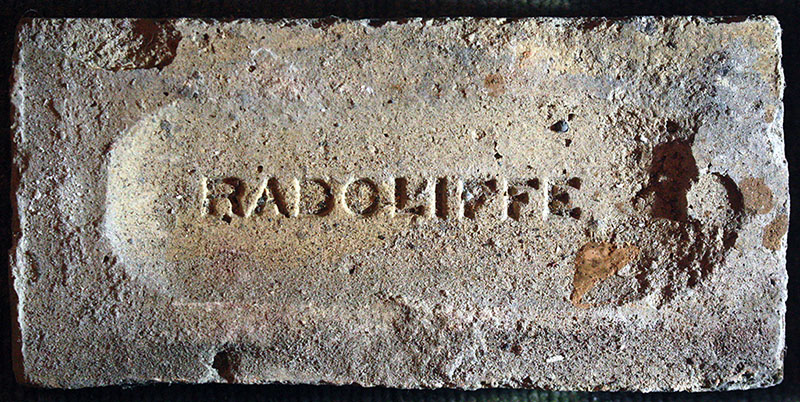
The Radcliffe Coal Company was sited at Amble quayside, Northumberland 1875 - 1955 - P.J. Davison, Brickworks of the North East.
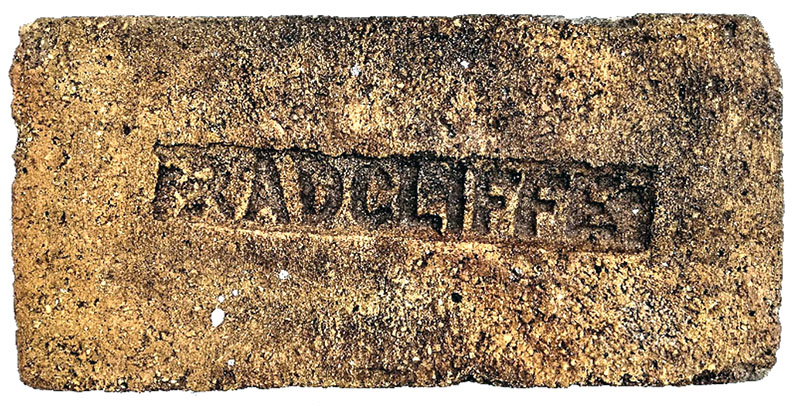
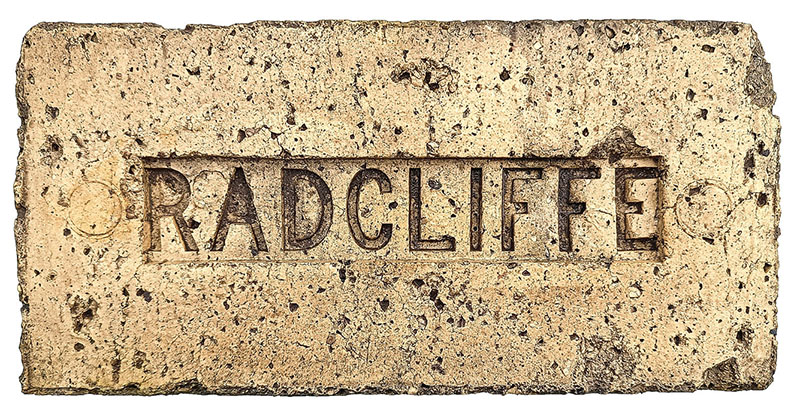
Photos by Chris Tilney.
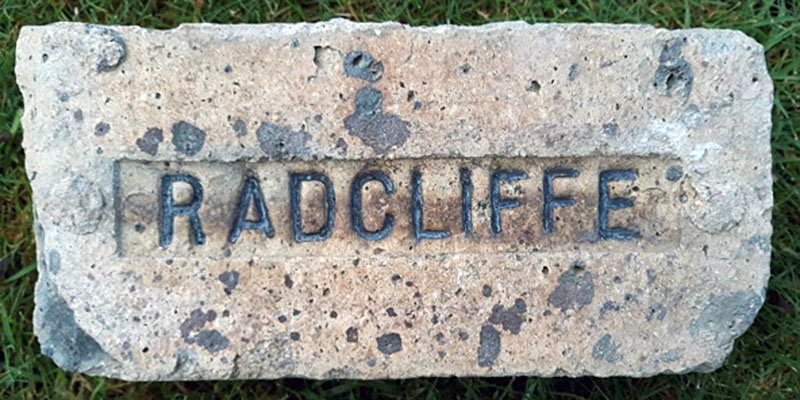
Photo by Mark Cranston
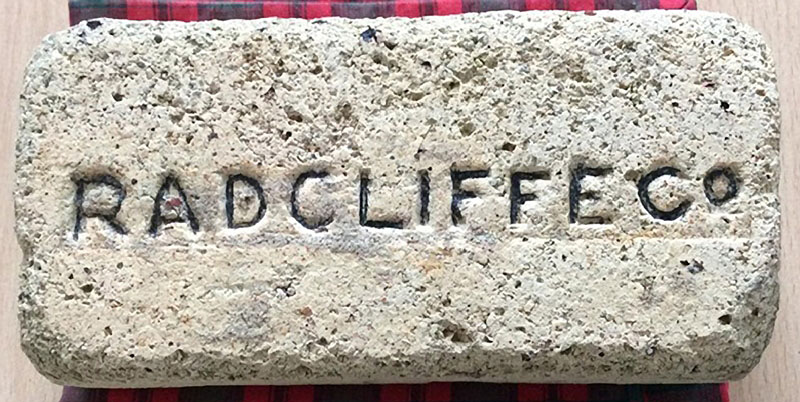
Photo by Edith Stewart.
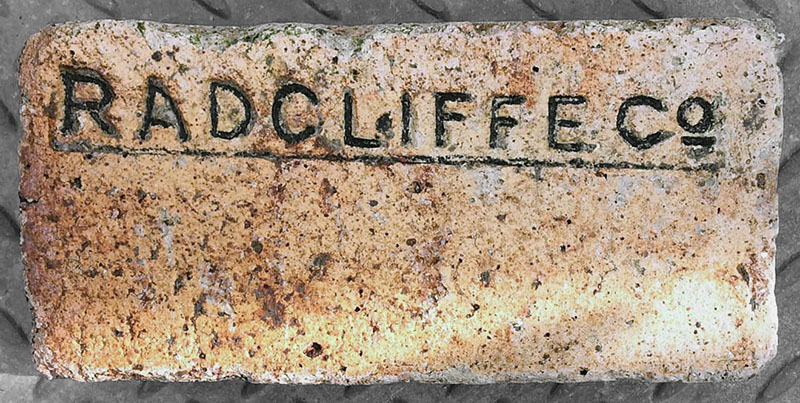
Photo by Phil Jenkins.
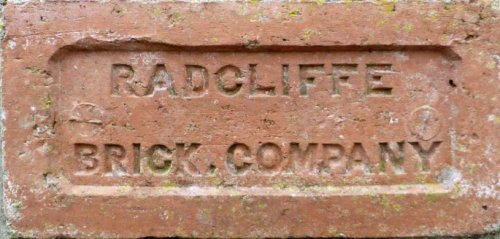
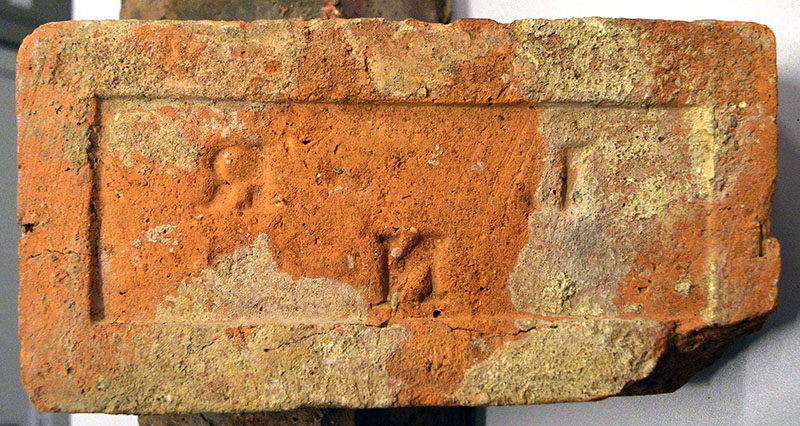
Found Newark, Notts. Photo by Frank Lawson.
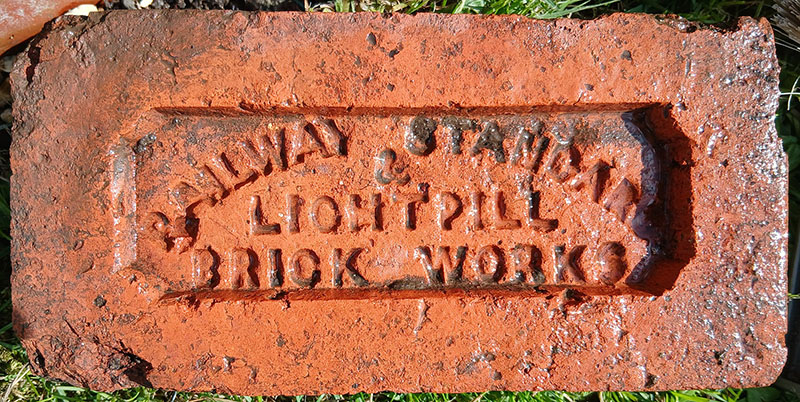
In 1876 Samuel Jefferies is described in a Gloucestershire Directory as "coal merchant and brick manufacturer, Railway Coal Wharf, and Railway Standard and Light-pill Brick Works". Photo by Steve Burrell.
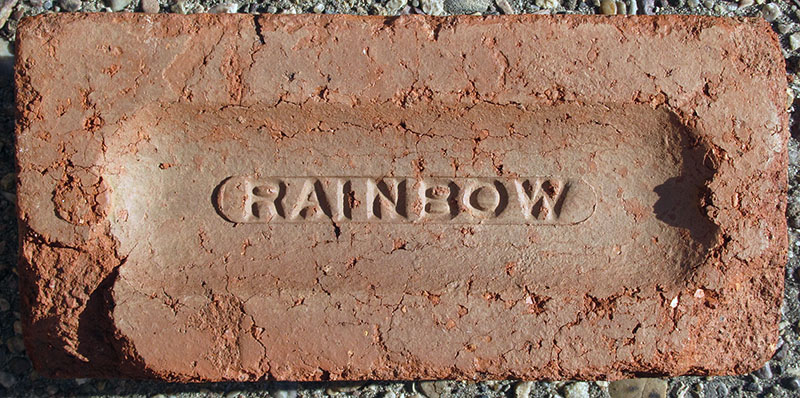
Rainbow was a trade name of Samuel Evers & Sons, Homer Hill works, Netherend Lane, Cradley, Halesowen, West Midlands. Kelly's Worcestershire Directory 1892 - 1940. The red brick was made from colliery waste. The 1940 directory states that they were a branch of E J & J Pearson Ltd making Firebricks and Fireclay goods. The works closed around 1970. Photo by Martyn Fretwell.
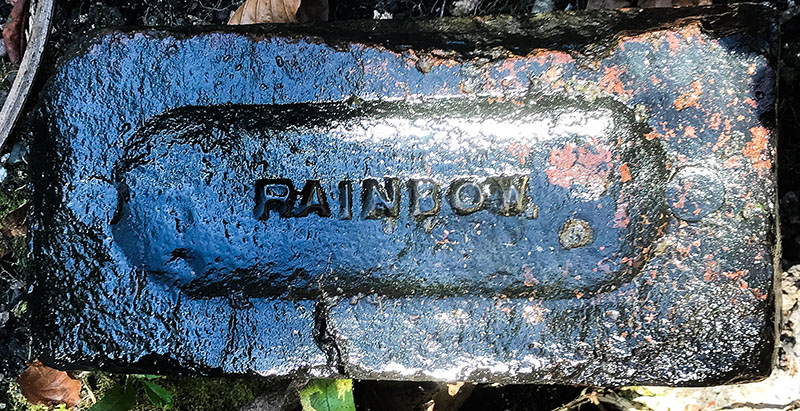
Photo by Kaie Martin.
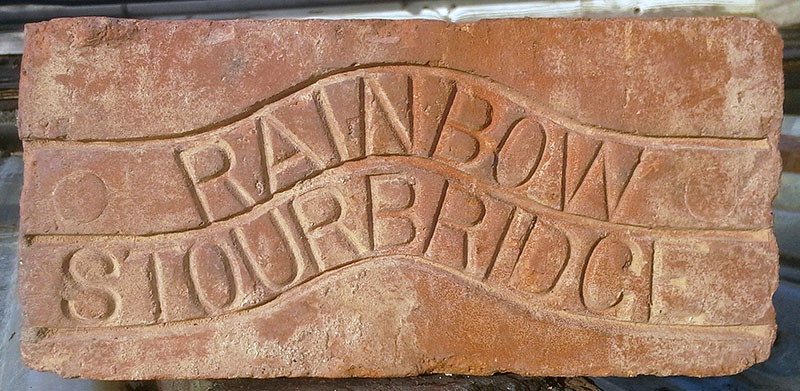
Photo by Angel Rose.
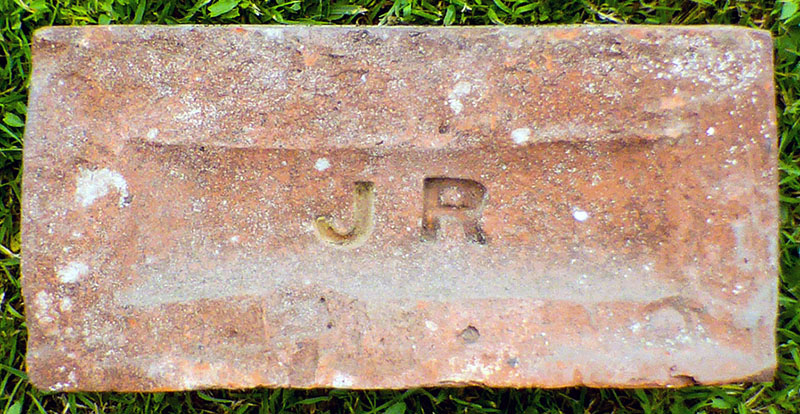
James Frederick Rainer is listed in Kellys 1894 to 1922 editions at the Cheshunt Brick Fields, Prospect Road, Chesham, Waltham Cross, Herts. A second works at Enfield Highway is listed in Kellys 1899 to 1912 editions. Photo & Info by Martyn Fretwell.
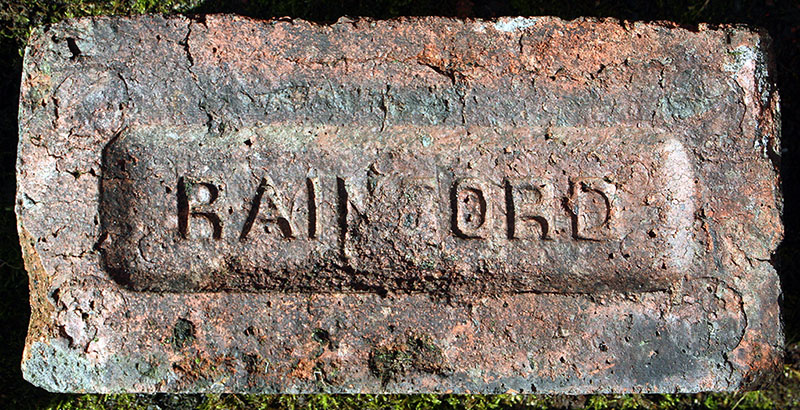
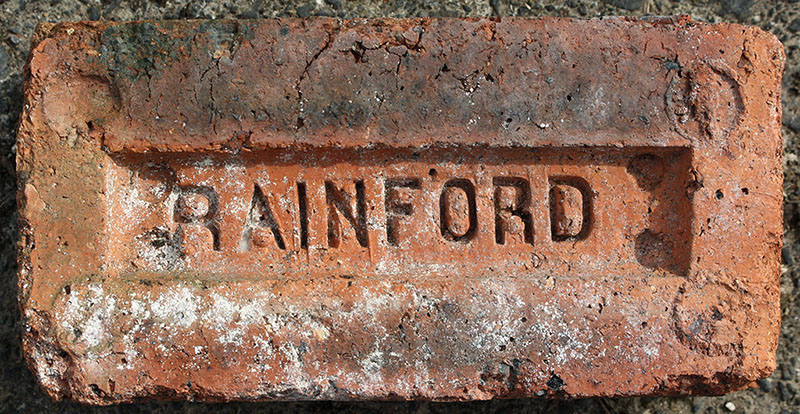
Rainford Brick & Tile Works, Rainford, St.Helens, Lancs. Slater's Directory 1895
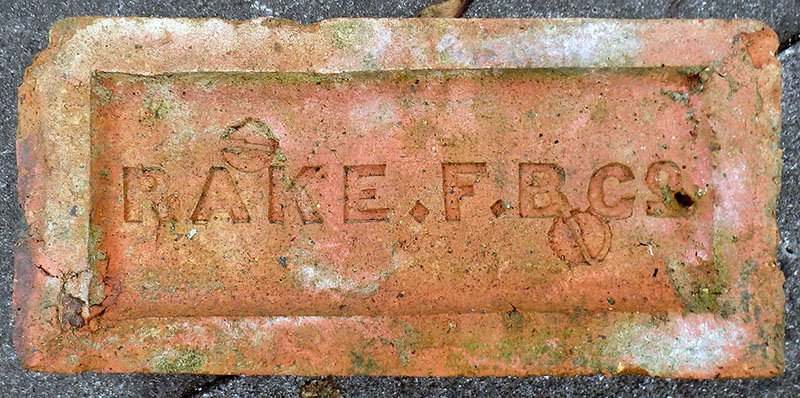
Colin Driver writes: I recently found the above in Littleborough
very near to the former Rake Inn at the bottom of Blackstone Edge
Old Road. Further enquiries resulting in me finding a listing in
MacDonald's 1879 Directory of the "RAKE FIRE BRICK COMPANY - Halifax
Road,Littleborough. Formed in the early 1860s, in 1886 the business is listed as makers of sanitary tubes,fire-bricks, tiles, chimney pots, boiler seatings, blue bricks, ridge tiles, coping &c. They also had a depot at Lees Street in Ancoats for sales around Manchester. In 1889 the Rake brickworks passed to the Littleborough Fire Clay and Coal Company under which it continued until closure in 1896.
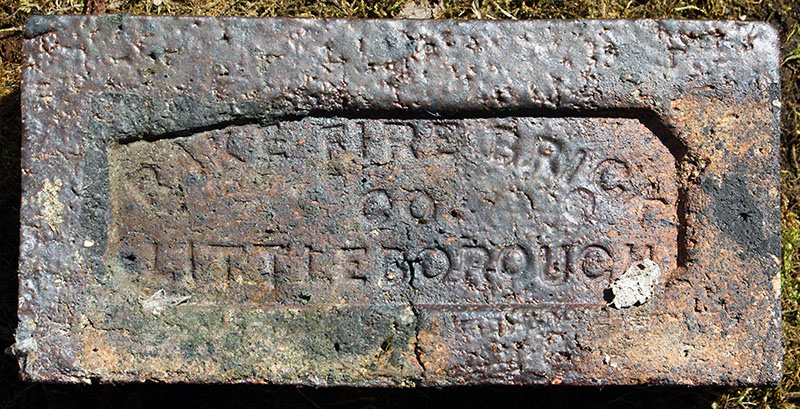
Photo by David Kitching.
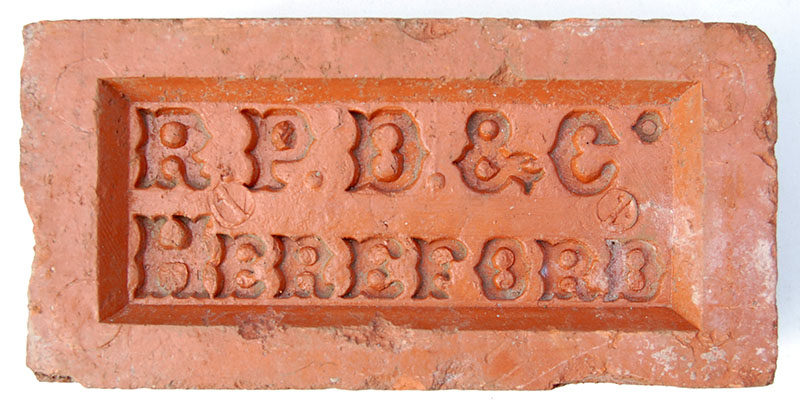
Richard Paterson writes: In their excellent book 'Herefordshire Bricks & Brickmakers' (Logaston Press, 2007), Edwin Davey and Rebecca Roseff identify Ralph, Preece, Davies & Co as owners of the Albert Brick & Tile Works at Holmer, Hereford. They quote an anonymous description, dated 1892, which states that the works had been 'established for about 50 years' and refer to another source which says that the demolition of the chimney stack was filmed in 1968 or 1969. Davey and Roseff suggest that, at one time, RPD may also have owned the Brickyard at Aylestone Hill, Hereford. Photo by PRBCO.
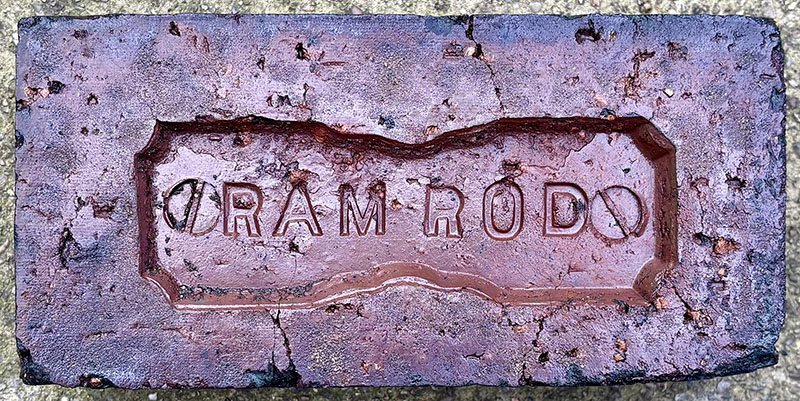
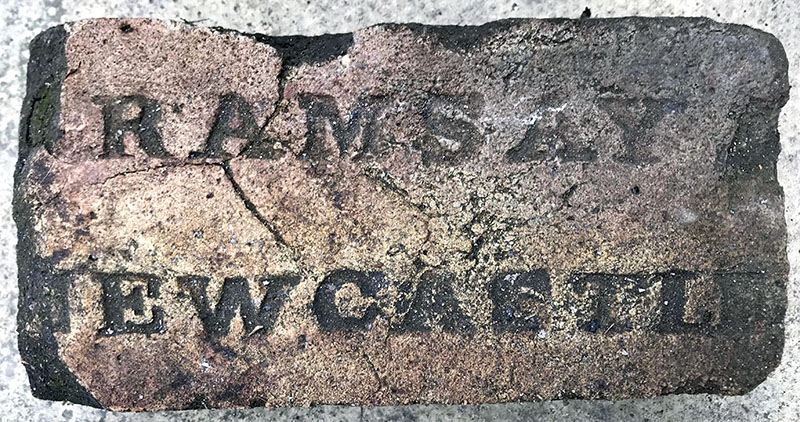
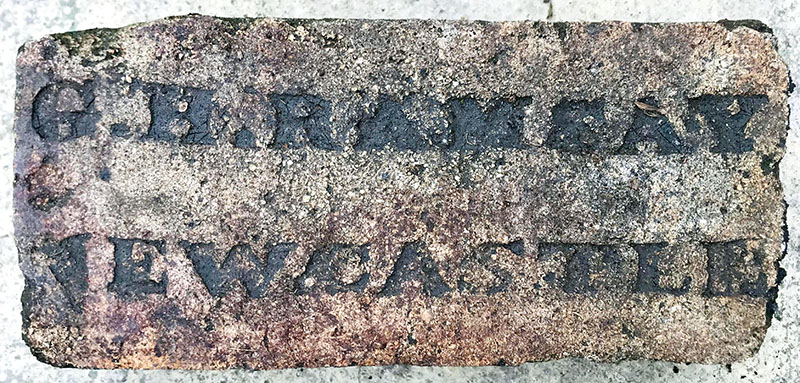
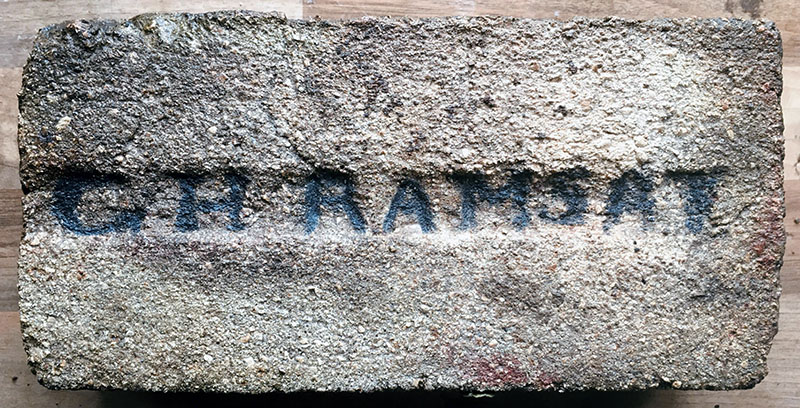
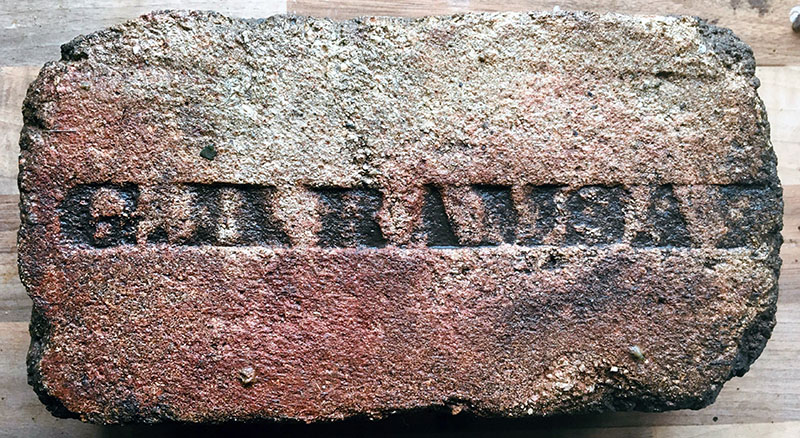
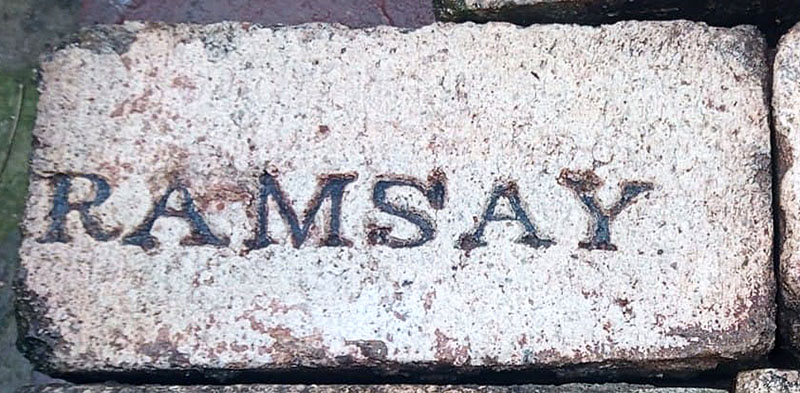
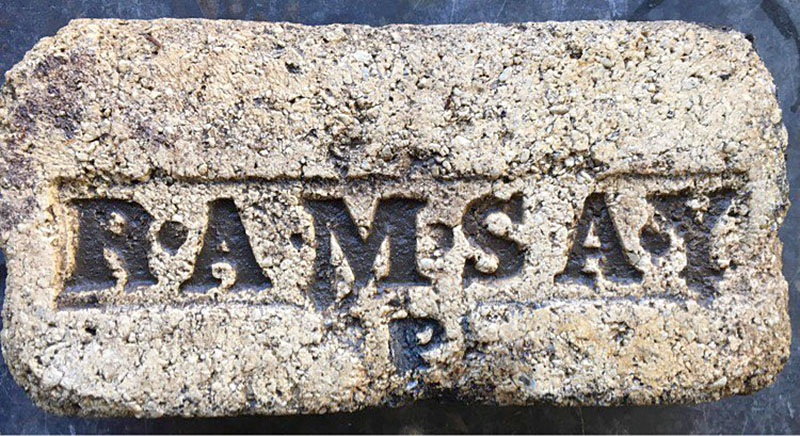
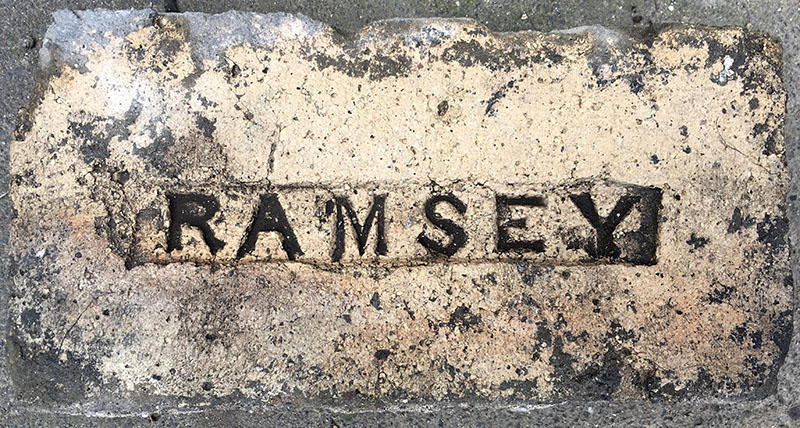
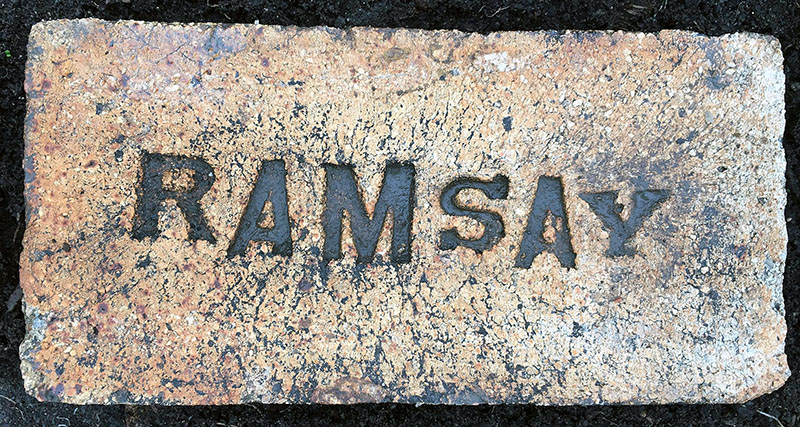
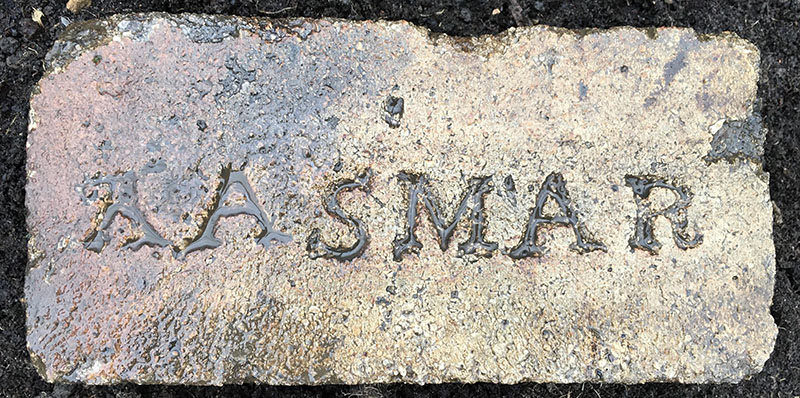
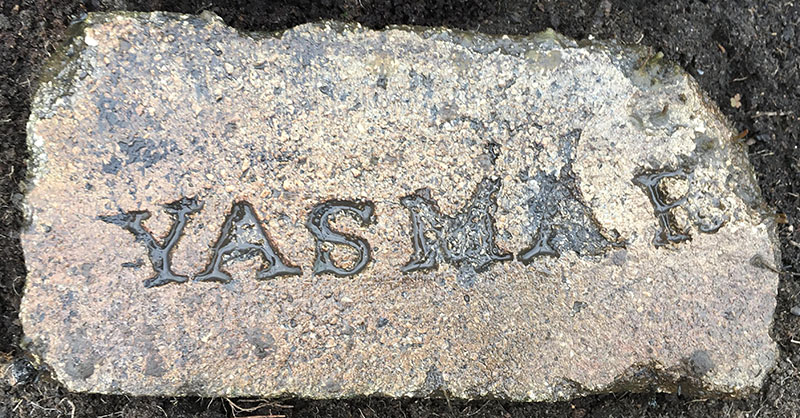
Photos by Steven Tait.
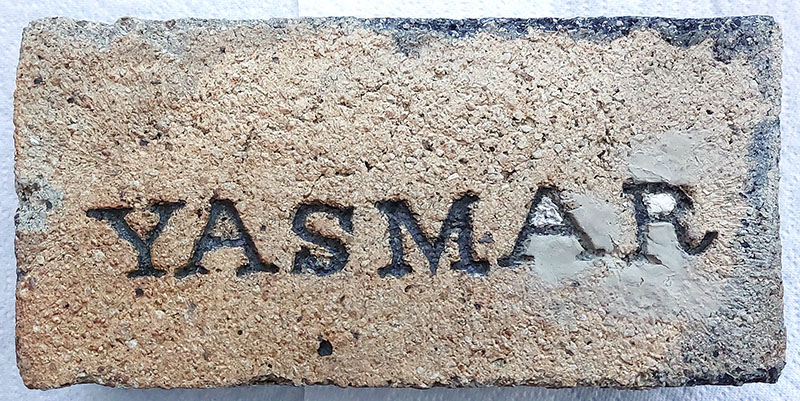
Photo by Mike Graham.
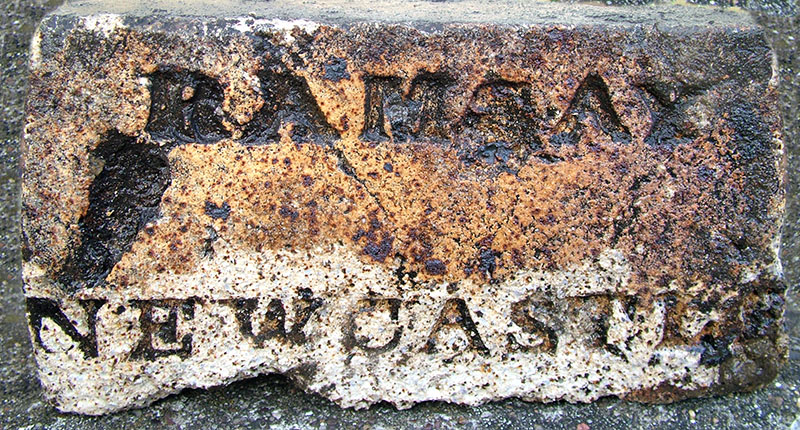
Messrs George Heppel Ramsay and Co, Fire Brick Works. The founder of this business, Mr. G Heppell, first established his brickworks at Derwenthaugh. Expansion plans were put in hand and the largest brickworks in the area were built, capable of completing 7 million bricks per annum. Clay used in the making of the bricks was transported from the colliery which was about 300 yards away. Photo by George Simpson.
In November 1880 J T Ramsay brick manufacturer at Derwenthaugh was reported as insolvent.
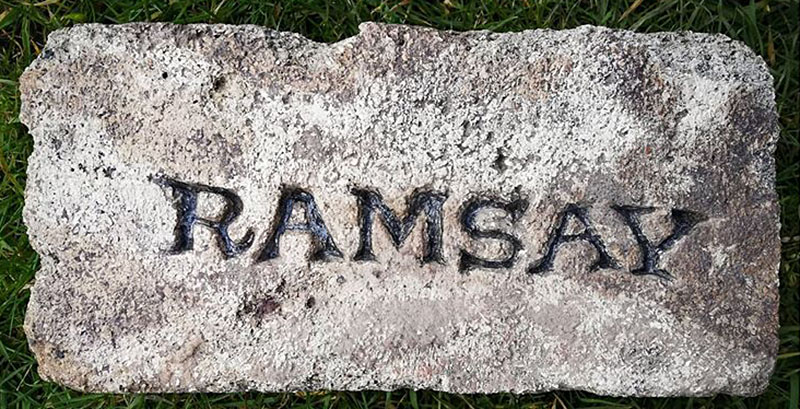
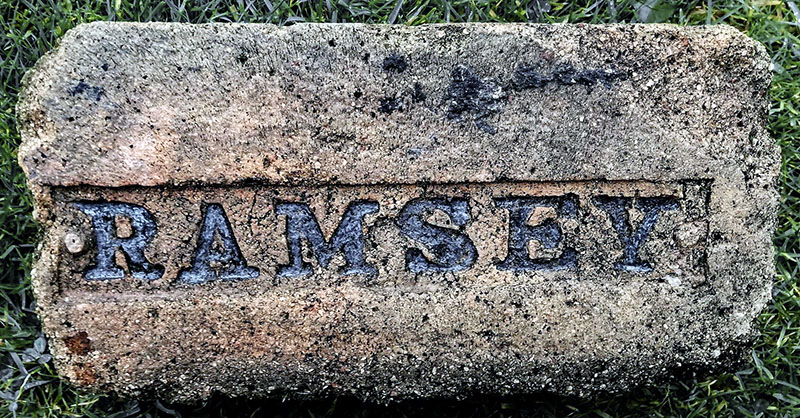
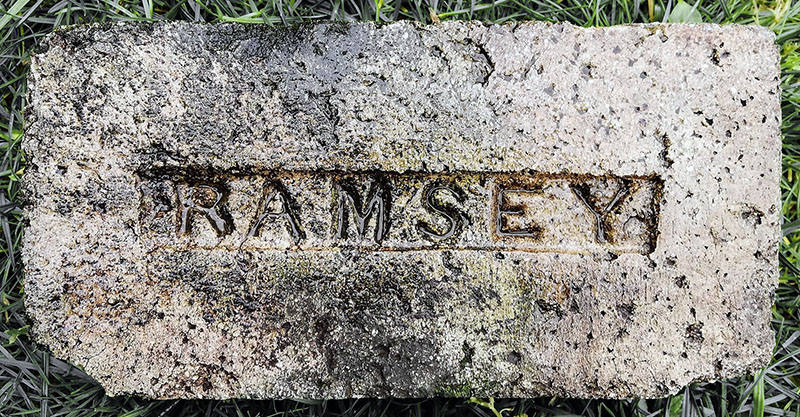
Photos by Chris Tilney.
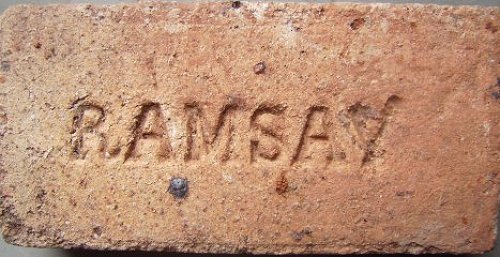
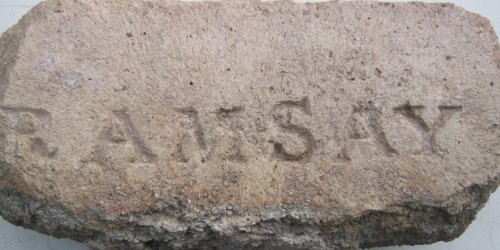
Ramsay firebricks were exported across the world. These two examples were found in Kaliningrad, Russia by Vladimir.
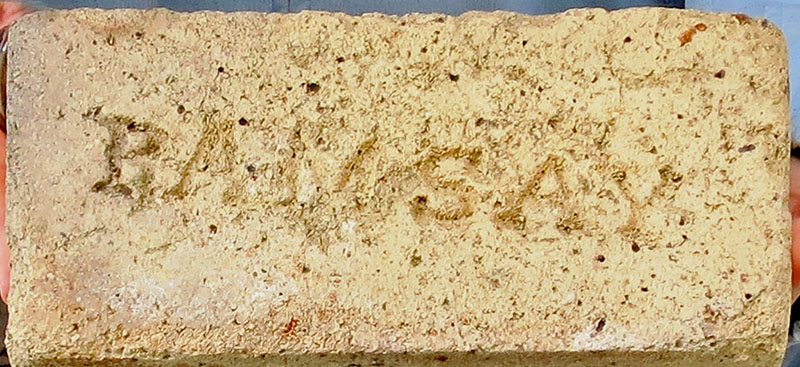
This example was found in a fireplace on Denmark's Baltic coastline. Photo by Kjeld Ejdorf.
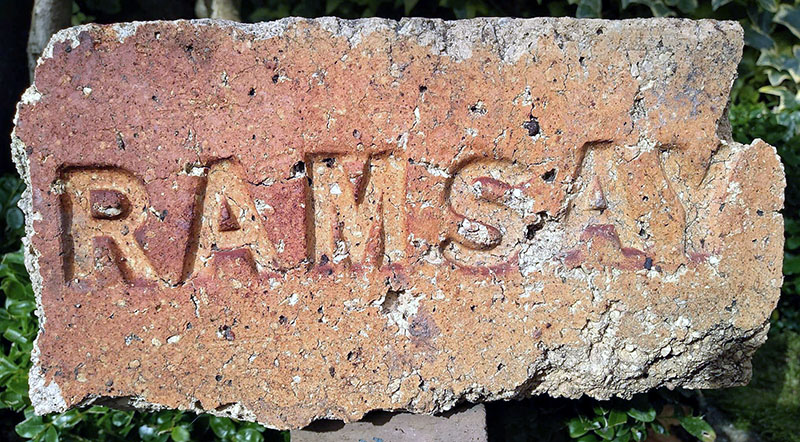
Photo by Tony Gray.