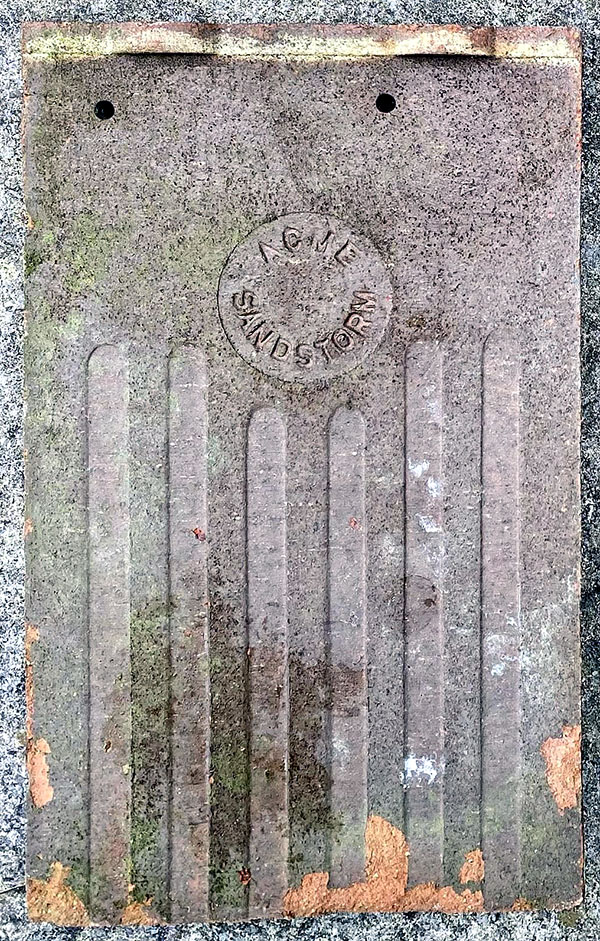
Photo by Michael Hodgson.
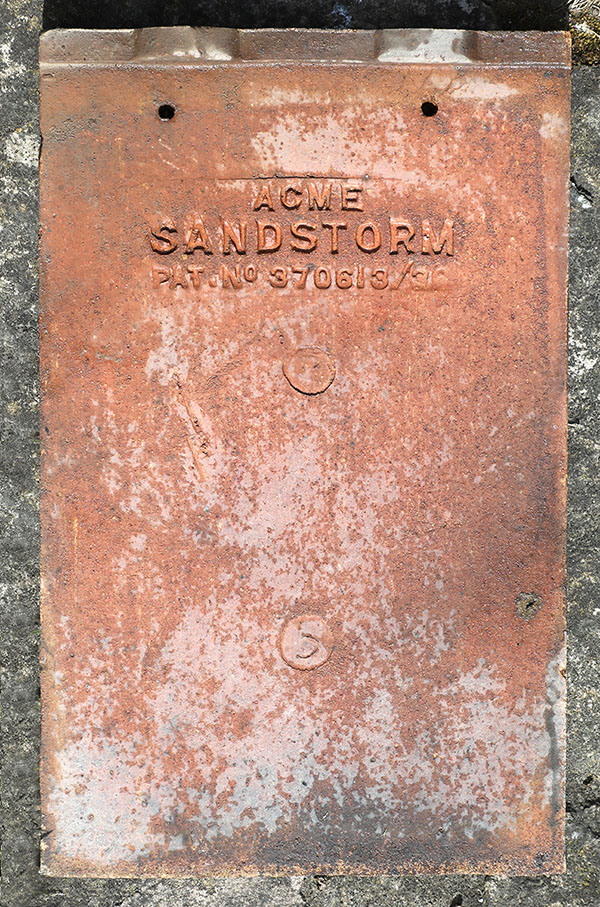
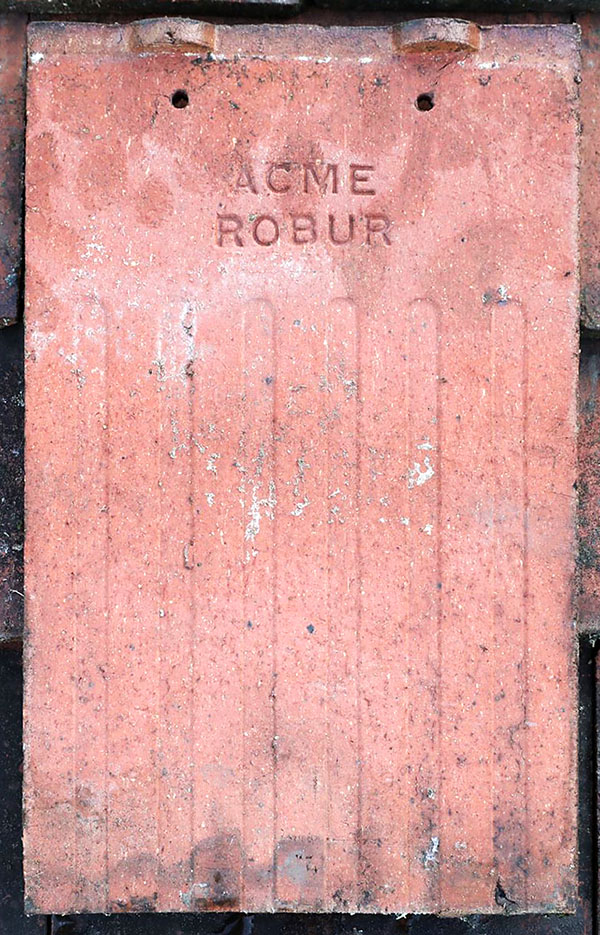
Acme tiles were manufactured by G H Downing & Co Ltd at their various works in North Staffordshire. The Robur tiles were made at the Brownhills Works in Tunstall. Photos by David Kitching.
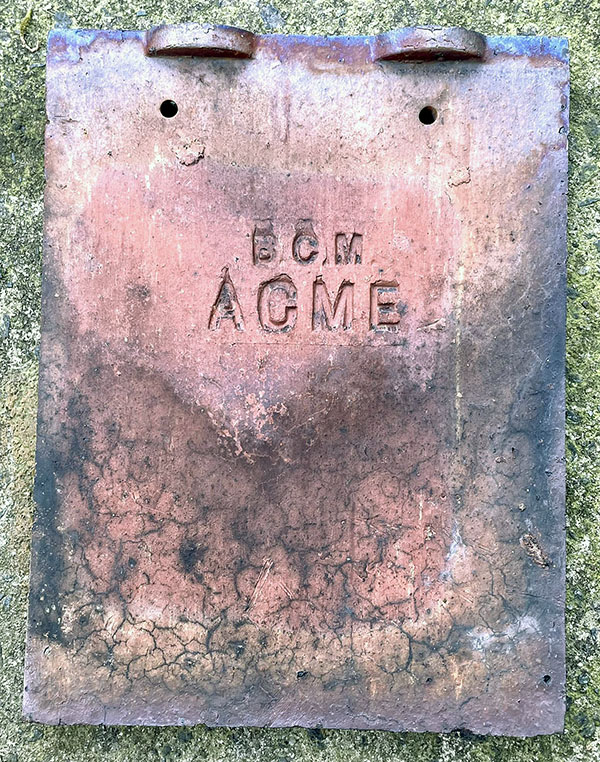
Photo by Phil Burgoyne.
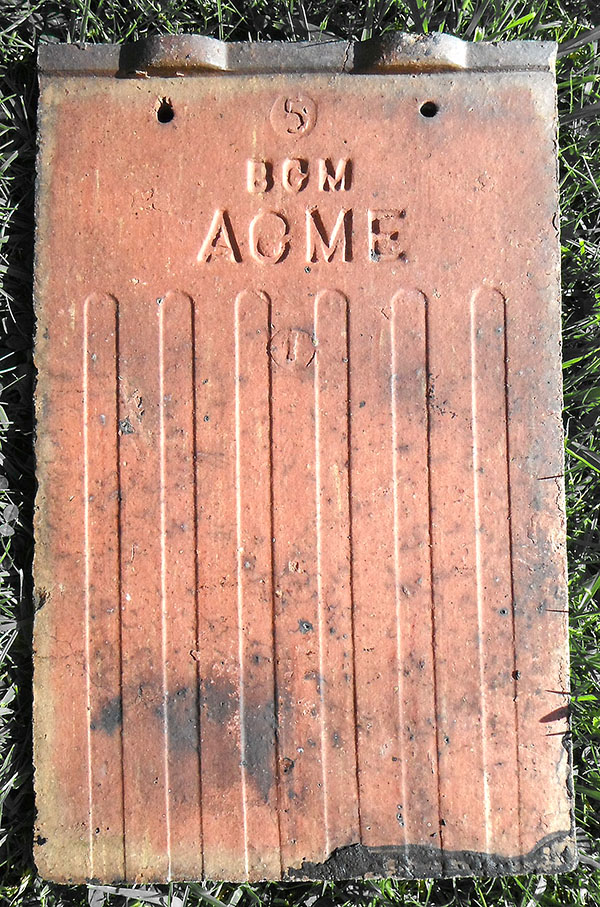
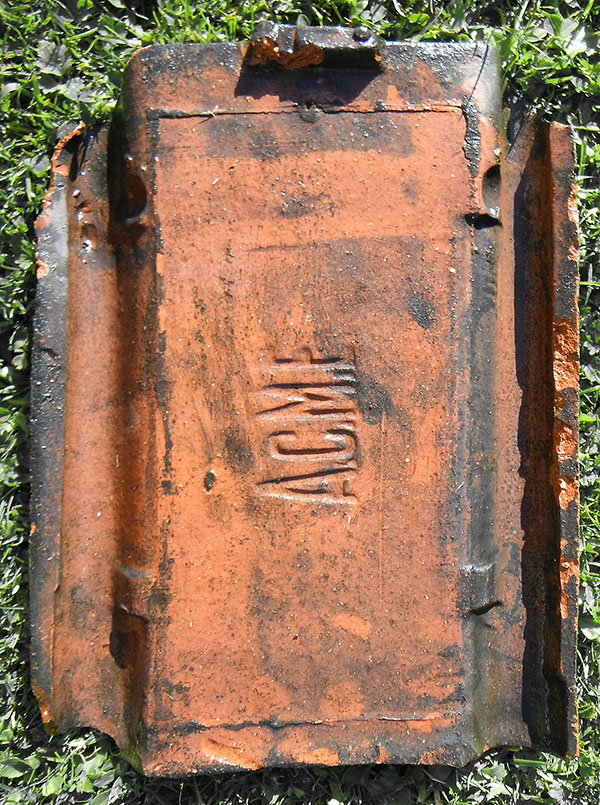
Photos by Ian Suddaby.
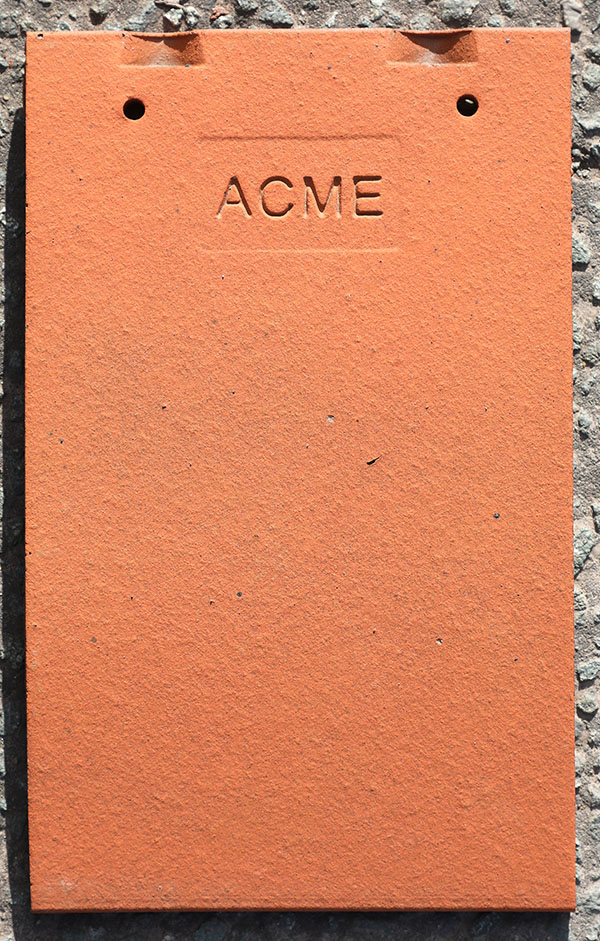
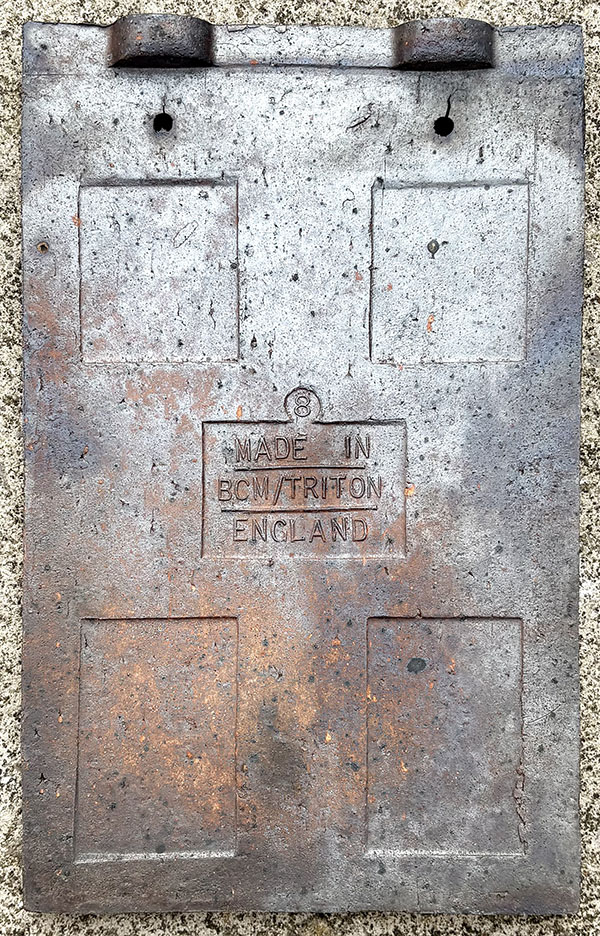
The brand new roof tile had just been fired at the Marley Tiles works at Ridgehill. Photo by David Kitching.
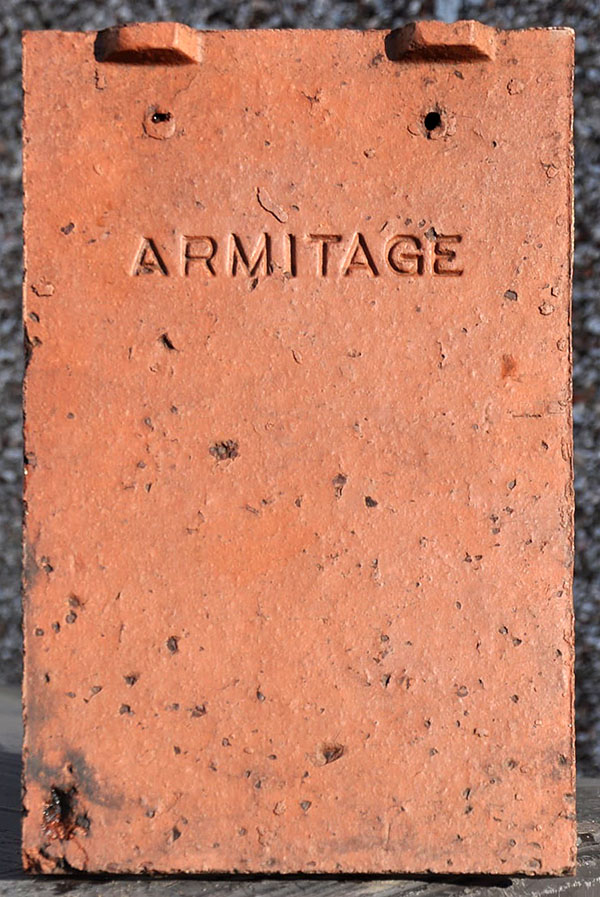
George Armitage & Sons Ltd., Robin Hood, Lofthouse, Wakefield. The history of the company has been traced back to 1824 when stonemason John Armitage joined fellow masons to work a quarry at Robin Hood. In 1864 one of his sons established the firm of George Armitage and Sons, also at Robin Hood, and expanded into brick and tile making by exploiting the blue shale or marl which was found along with the sandstone. The Company expanded to open several brickmaking sites around the Leeds and Wakefield area including Woodlesford, Lofthouse, Morley & Swillington. In 1988 the brickmaking business was sold to Marshalls of Halifax and from them it passed to the Hanson Group. Photo by Chris Shaw.
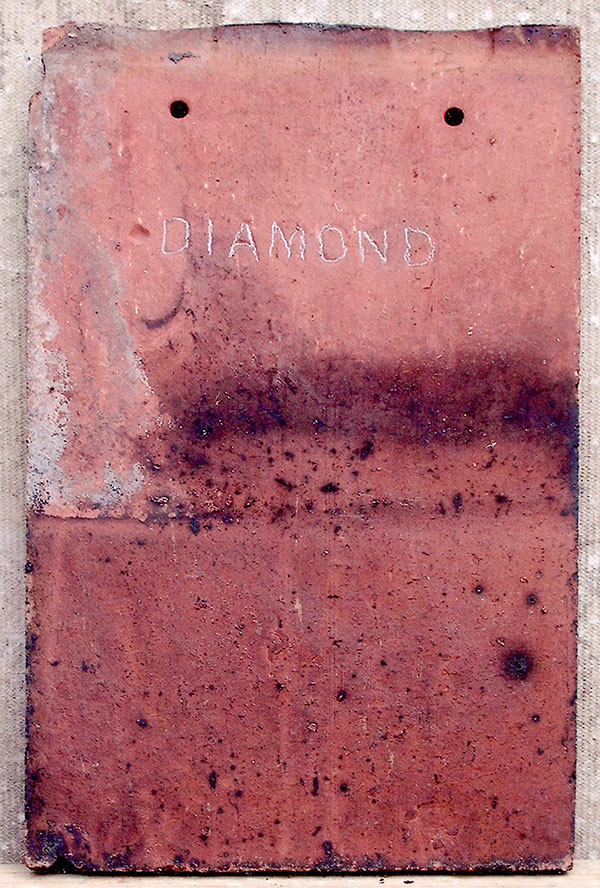
Diamond Clay Co Ltd, Hartshill Tileries, Stoke-on-Trent. Tile manufacture here ended c1958 when the business seems to have transitioned to supplying kiln furniture to the pottery industry. Photo by Gordon Howle.
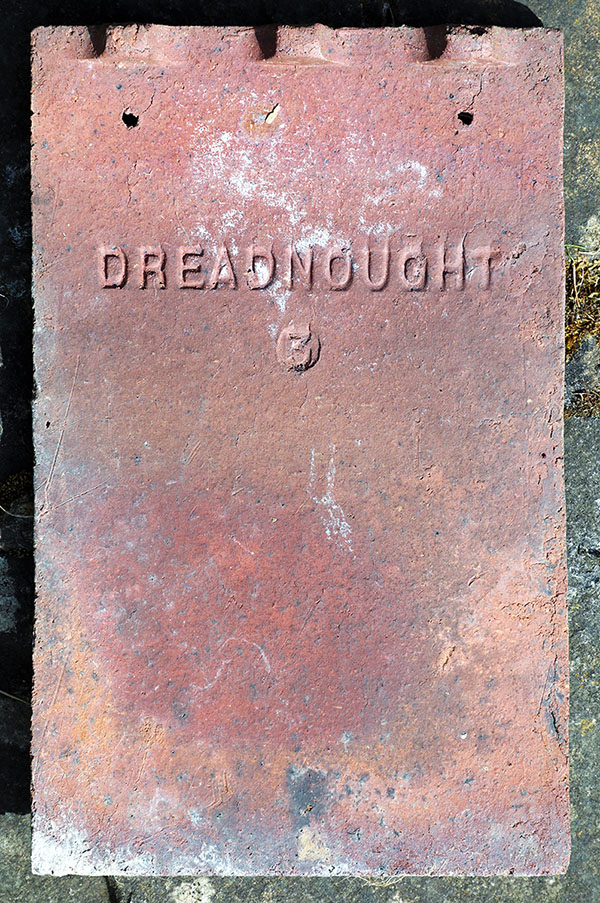
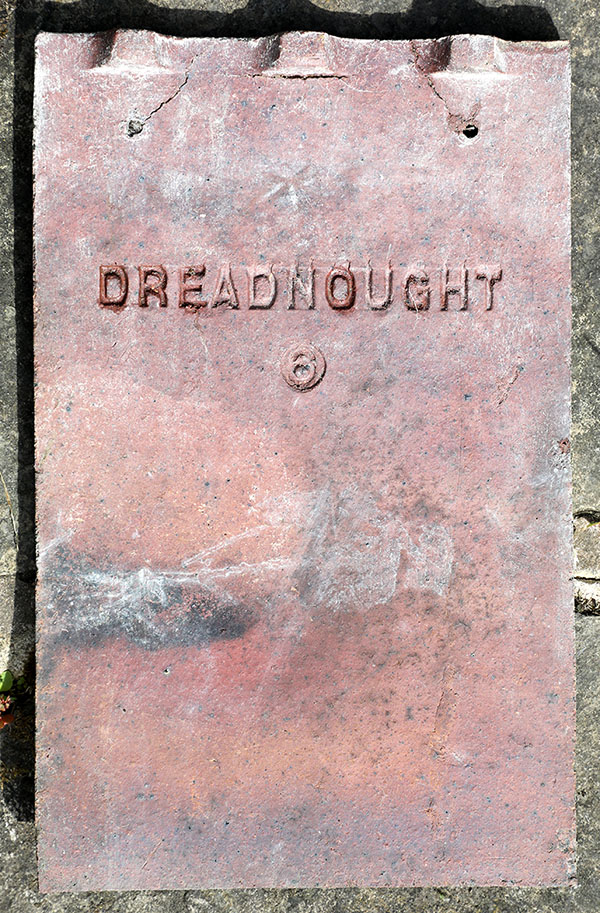
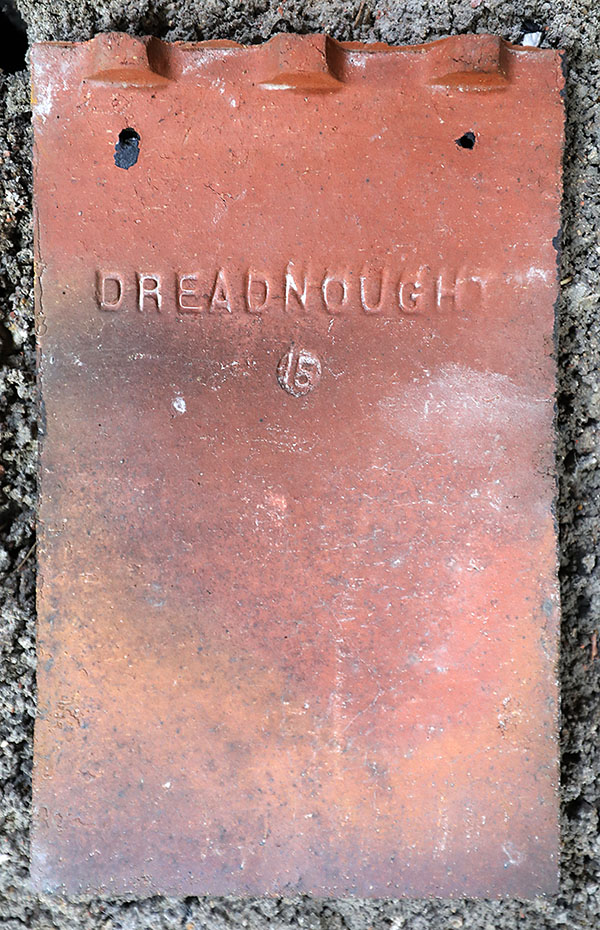
Dreadnought tiles are made by Hinton Perry & Davenhill Ltd., Dreadnought Works, Dreadnought Road, Pensnett, Brierley Hill, a site that has been in continuous production since 1805. The business is associated with Ketley Brick Ltd. which produces brick at the same site. The numbers on the tiles are the angle of the curve of the tile in degrees.

William Field, Littleworth Tileries, Hednesford, Staffordshire. Photo by Phil Burgoyne.
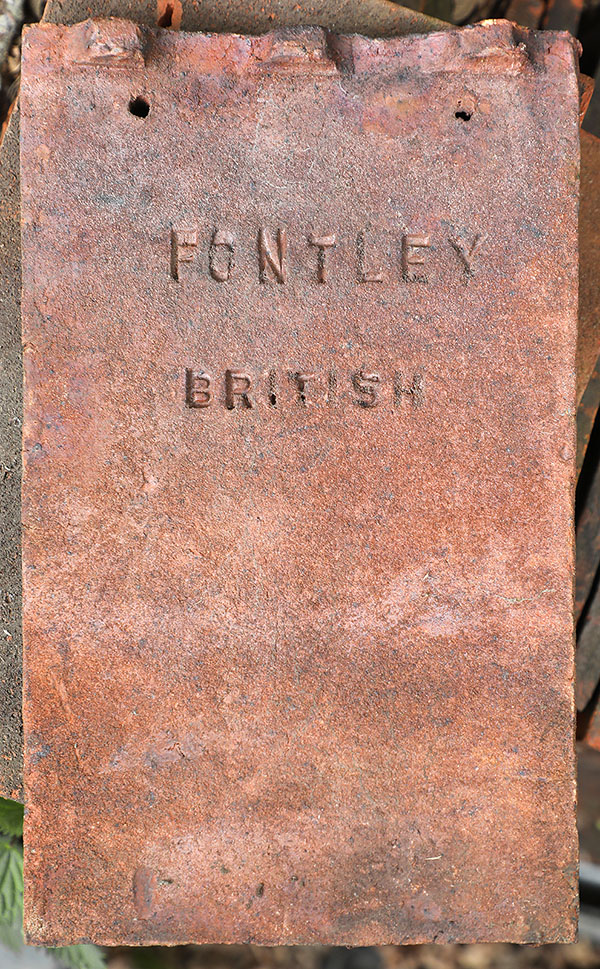
The Fontley Brick & Tile Co. was in the village of Funtley, Hampshire (also locally known as Fontley) and they were producing hand-made bricks from the 1850's to 1923 when they then produced bricks & tiles by machine. The works closed in 1967. Photo by David Kitching.
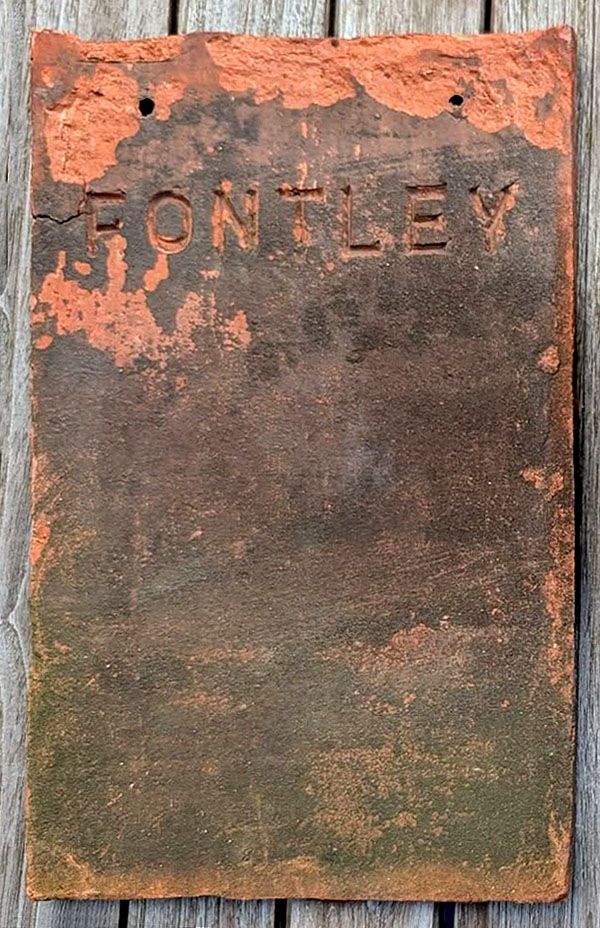
Photo by Martin Percival.
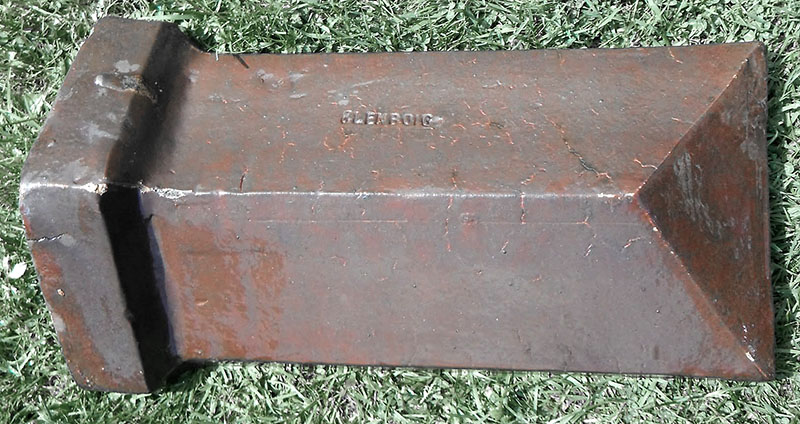
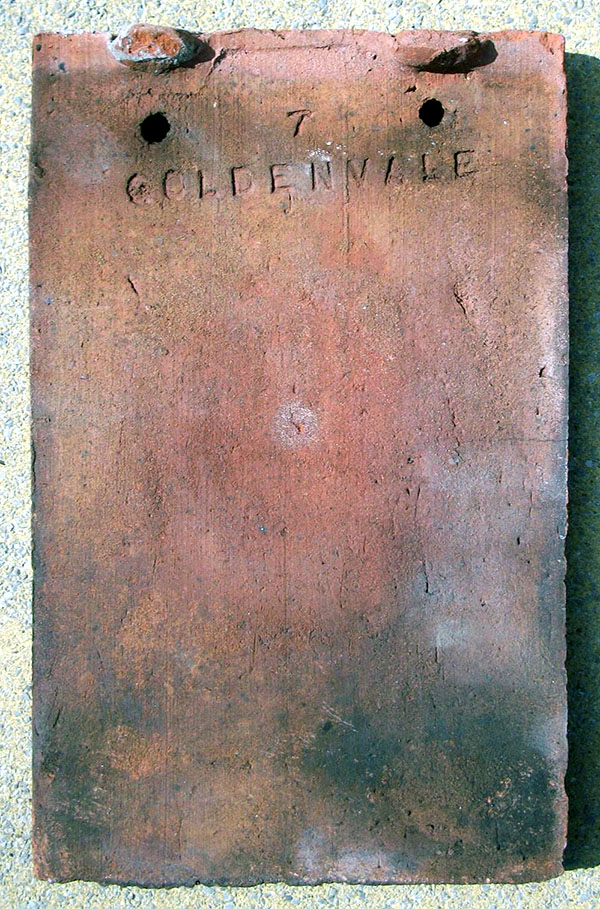
Golden Vale Tileries at Chatterley, Stoke-on-Trent, was opened in 1934 by John Bentley, formerly manager at Keele Tileries. The works continued until the early 1970s. In 1979 the plant and remaining stock was sold off. This included tiles and drain pipes, hand made bricks, chimney pots, 9 kilns and heavy tile making plant. Photo by Ken Perkins.
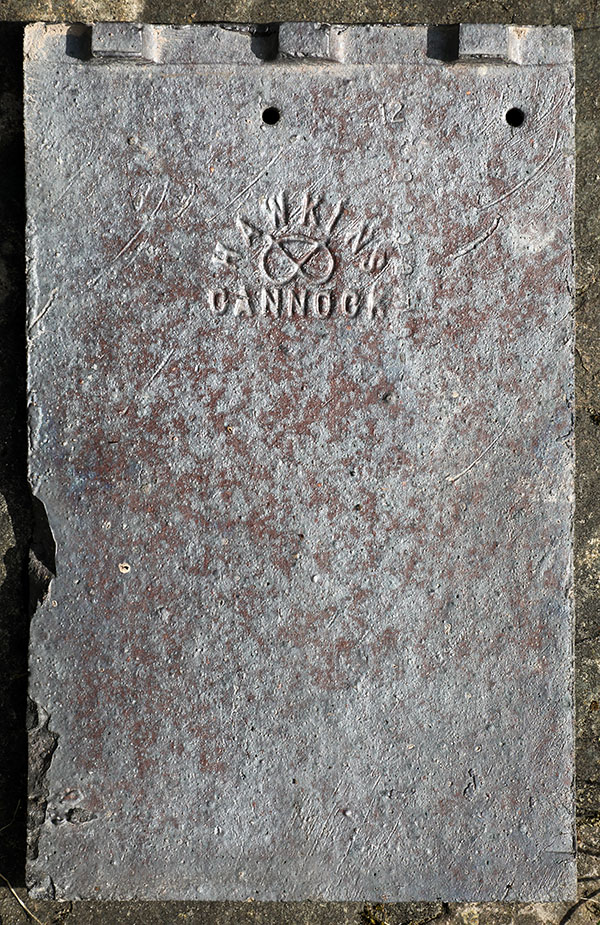
Photo by David Kitching.

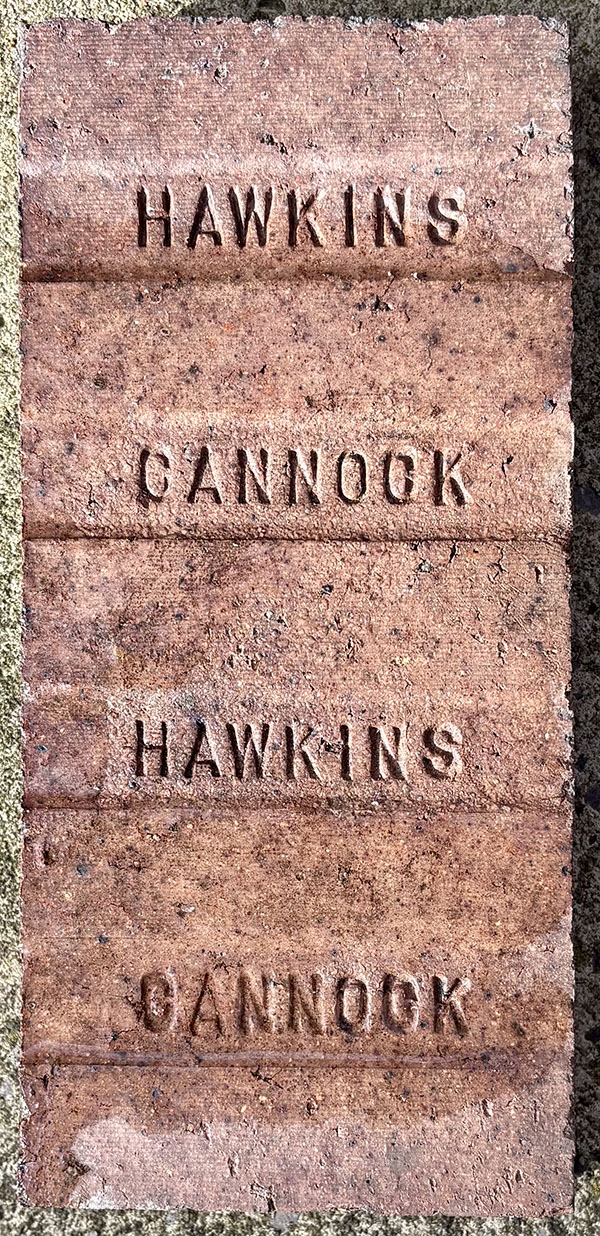
Hawkins Colliery was also known as Cannock Old Coppice Colliery and commenced working c1840. Joseph Hawkins took on the lease in 1869 and the colliery remained under the control of the Hawkins family until nationalisation in 1947. The company also operated a brick and tile works with adjacent clay pit at Longhouse, adjacent to the Wyrley and Essington Canal. By the 1920s Henry Hawkins was advertising a wide range of products from the Longhouse Brick & Tile Works, Cannock. About 7 million bricks were made annually using clay mixed with mining spoil. The works continued in Hawkins' ownership after the colliery was nationalised and remains in production today under the Eternit name. Photos by Phil Burgoyne, info by David Kitching.
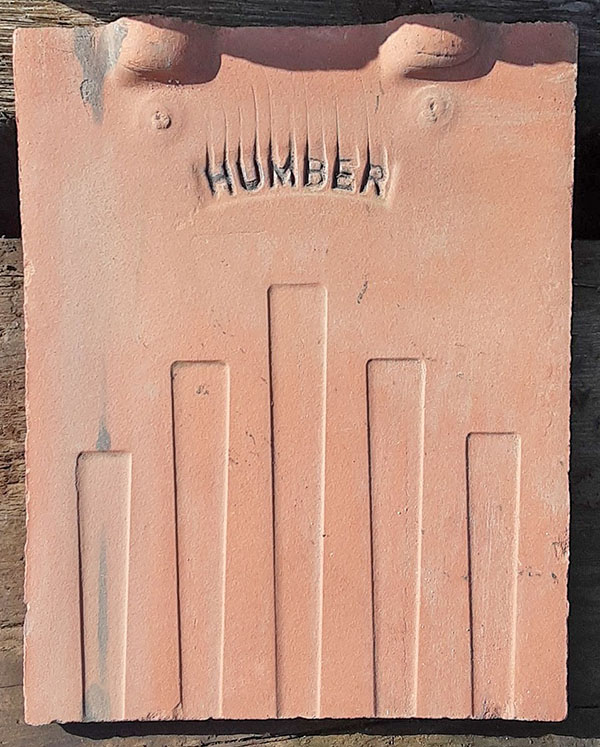
I think that this is a product of one of the tile works in North Lincolnshire on the south bank of the Humber. Photo by Jim Stevens.
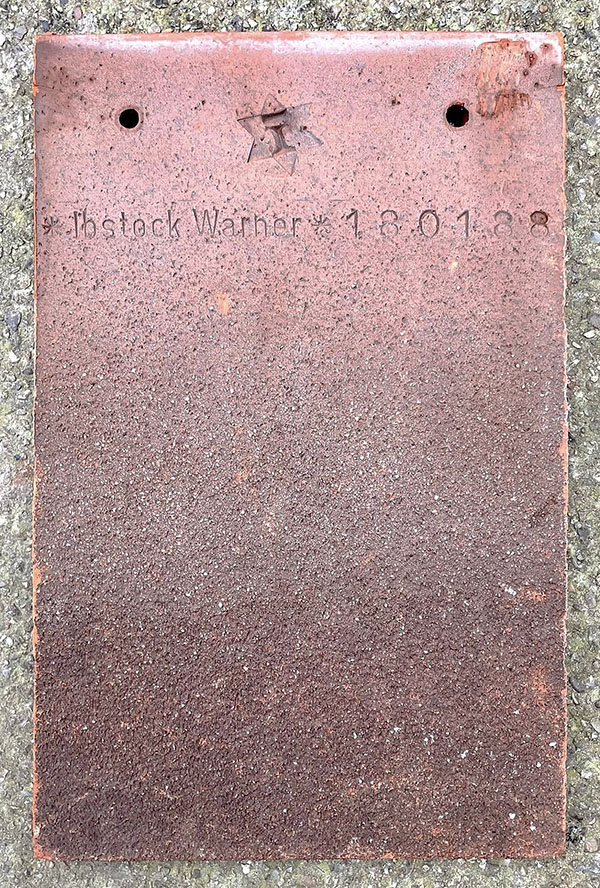
The star stamp indicates that this is a product of the Star Works, Knowl Hill, between Twyford and Maidenhead, formerly owned by H F Warner and Company. Photo by Phil Burgoyne.

Ridge tile. Photo by David Kitching.
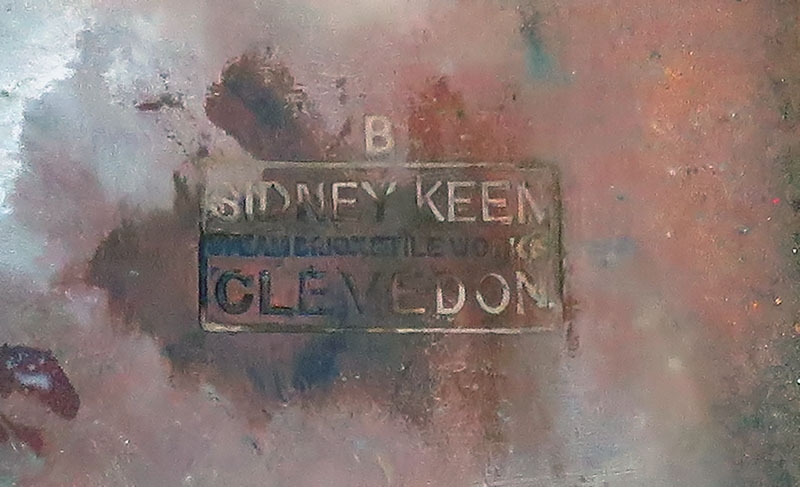
Sidney Green, Clevedon Potteries & Steam Brick & Tile Works, Strode Road Clevedon. This works is listed in Kelly's Somerset Directory from 1894 to 1902. From 1910 to 1939 it is Sidney Keen & Brother. This stamp is on a roofing tile. Photo by Mike Chapman.
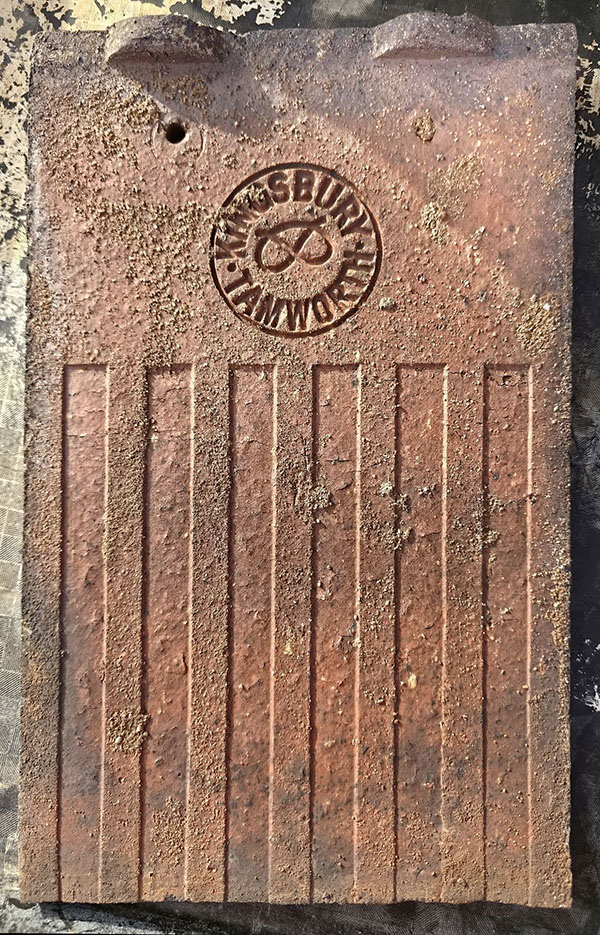
Produced by the Kingsbury Brick & Tile Works Ltd which in 1947 was owned by Kingsbury Collieries. Photo by Richard Dobson.
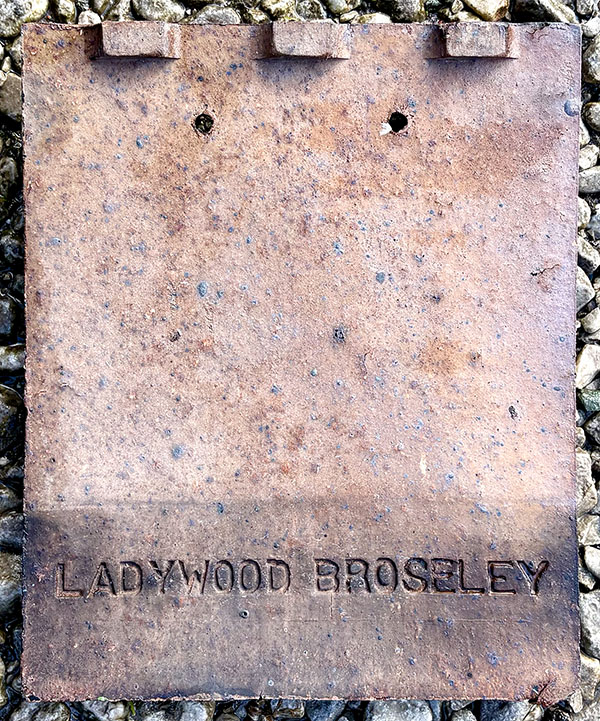
Made by John Doughty & Son in the Broseley & Jackfield areas of Shropshire. Photo by Phil Burgoyne.
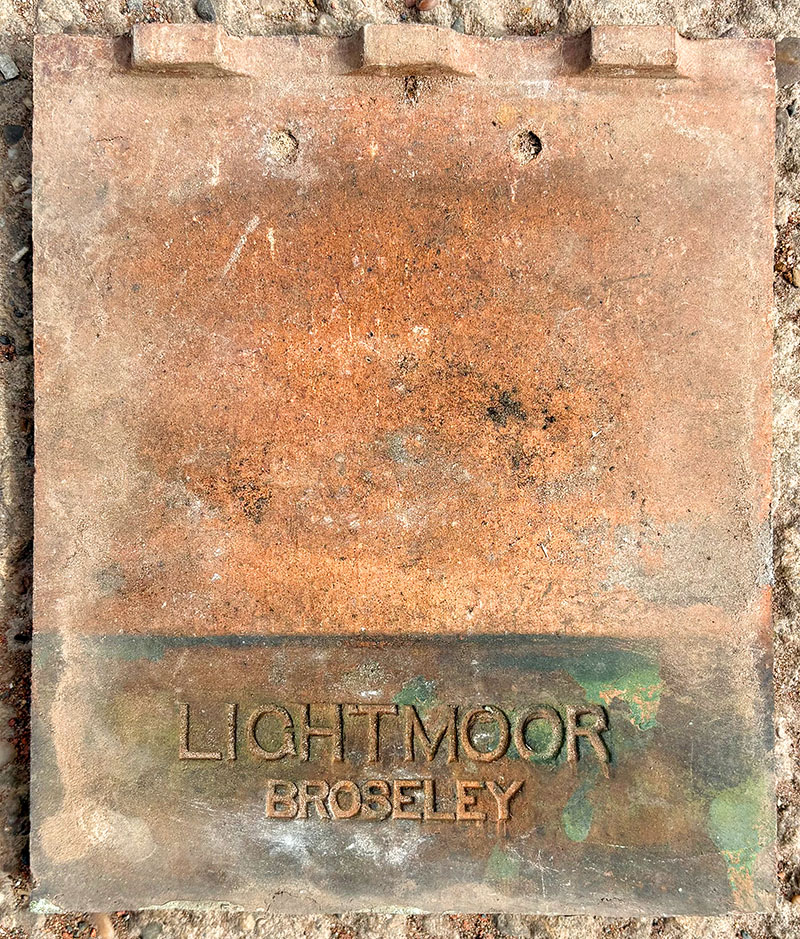
Made by the Coalbrookdale Company Limited. Photo by Phil Burgoyne.
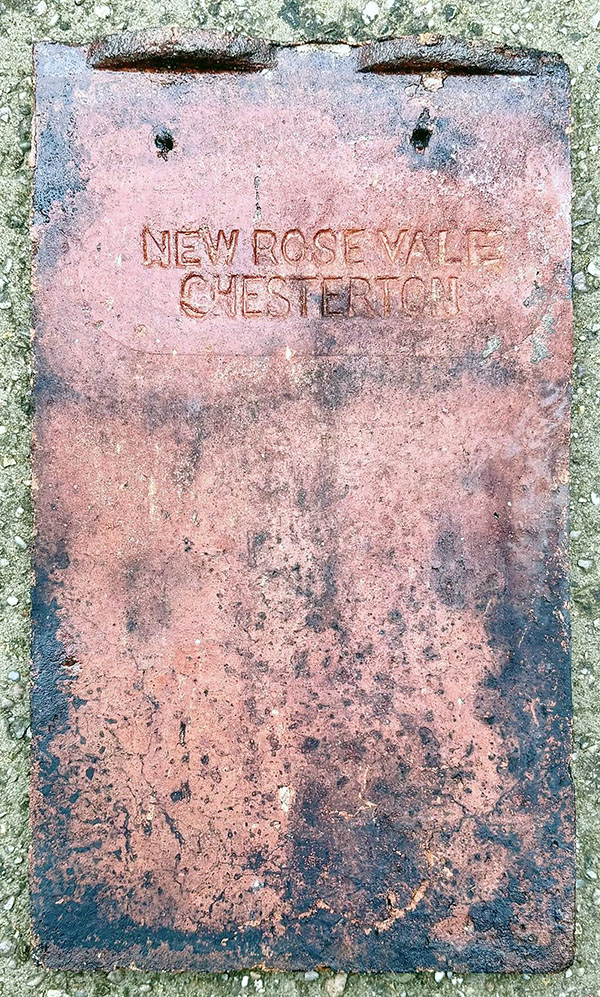
New Rose Vale Brick & Tile Company was established in Chesterton, Newcastle-under-Lyme around 1869. In 1935 the business was merged into United Tile Manufacturers Company Limited, and from 1952 until the 1980s was Rose Vale Roofing Tiles & Brick Co. Ltd. Photo by Phil Burgoyne.
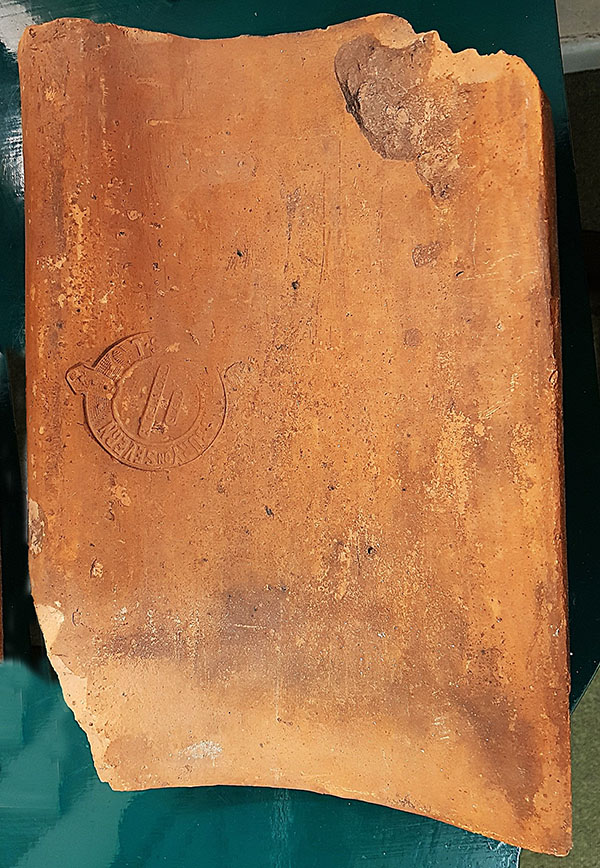
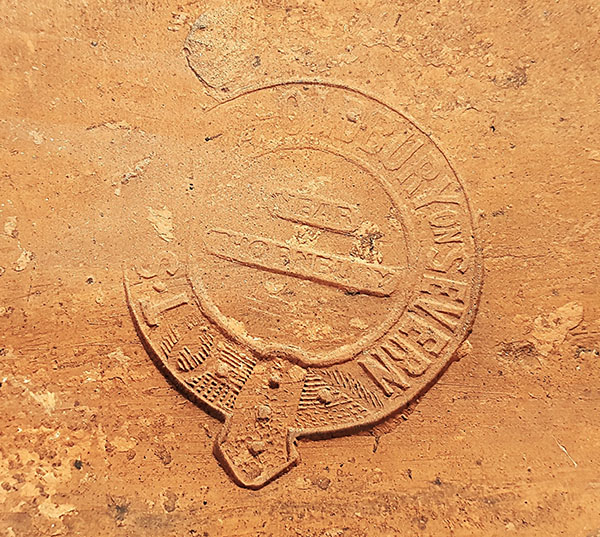
Pantile from the Oldbury-on-Severn brick and tile works which operated in the 1870s and 80s and was closed by 1902. Photo by Eric Taylor.
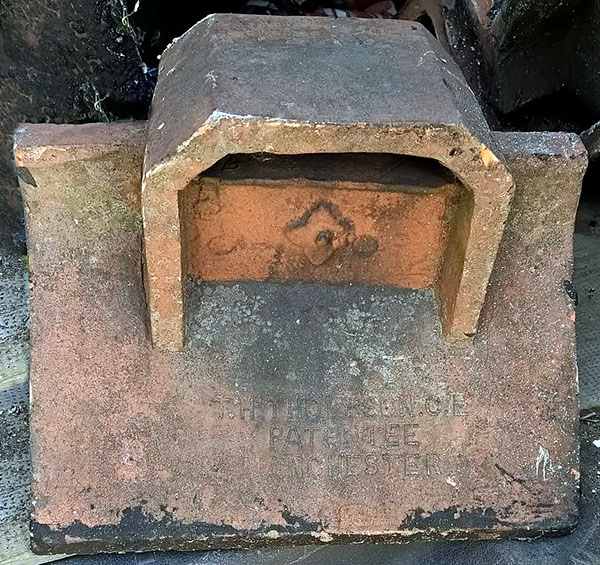
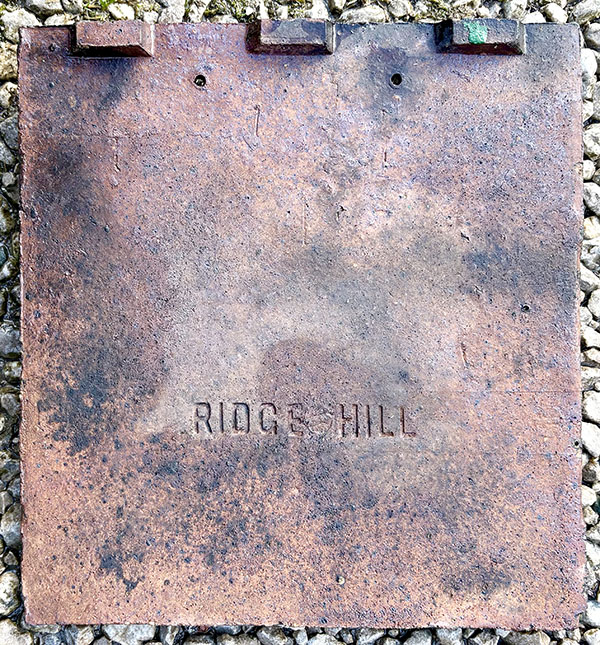
The Ridge Hill Brick and Tile Co works was in Madeley, Staffordshire. First mentioned in 1848 when it was operated by John Kennerley a local farmer. The business operated under the same name until just before 1912 when it changed to Brick & Tile Workers Ltd. The site is still in use by Marley-Eternit producing hand and machine made clay tiles. Photo by Phil Burgoyne.
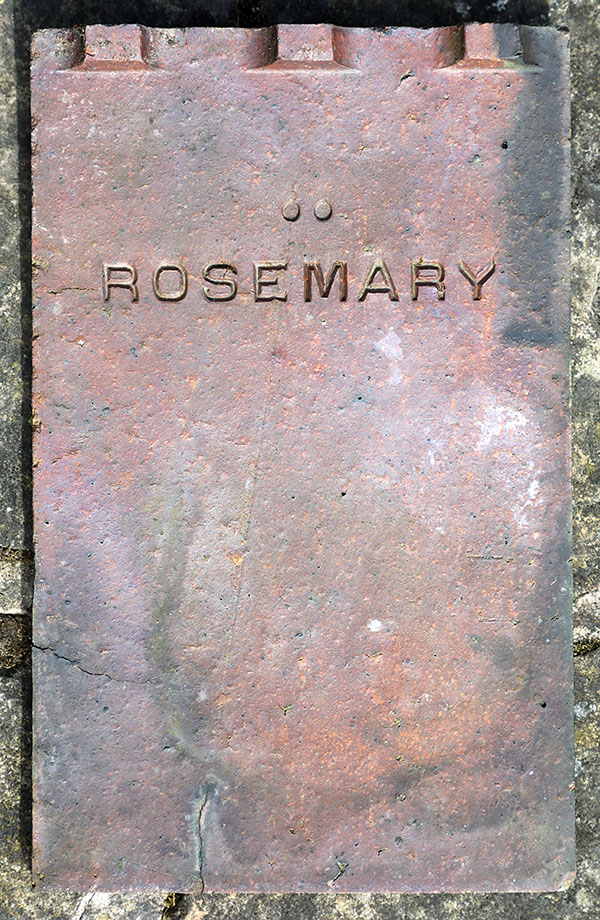
In 1876 the business was listed as George Warburton Lewis, Rosemary Hill, Cheslyn Hay, Walsall. Later it bexame G W Lewis Tileries Ltd., Rosemary Brick & Tile Works & Walkmill Tileries, Cannock, Staffs. This was followed by Rosemary Brick and Tile Co Ltd. of Rosemary, Coppice Lane, Cannock, Staffordshire. Manufacturers of clay products (bricks and roofing tiles). In 1984 Redland acquired the company. Photo by David Kitching.
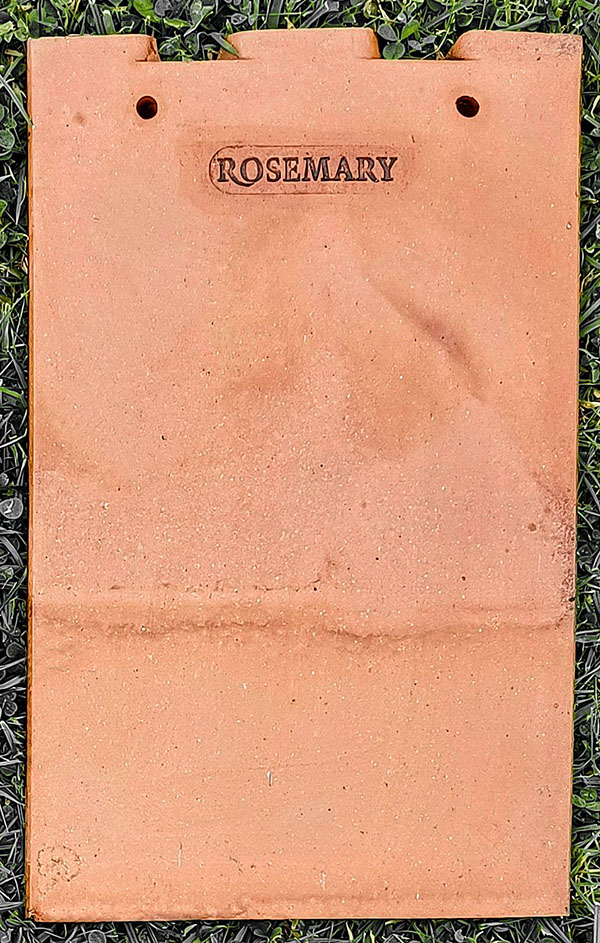
Photo by Chris Tilney.
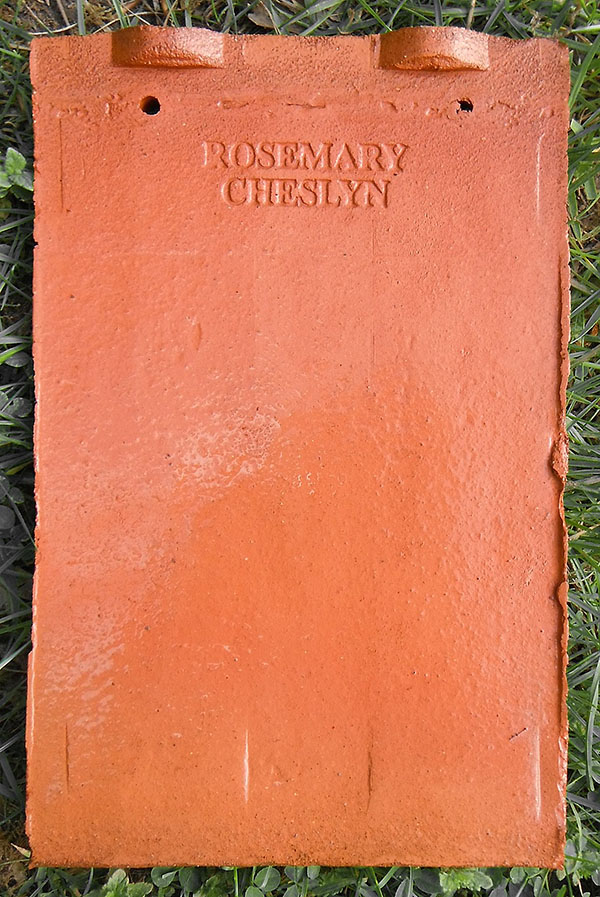
Photo by Ian Suddaby.
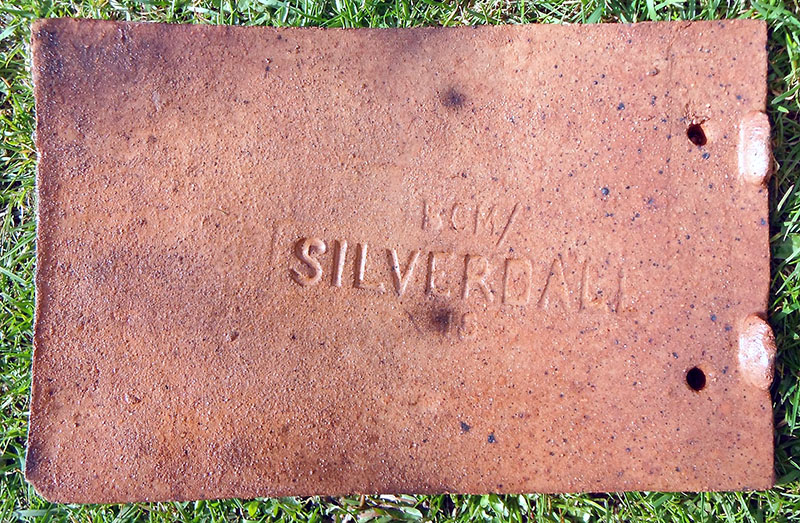
Photo by Ian Suddaby.

Made by Prestage & Broseley Tileries Limited. Photo by Phil Burgoyne.
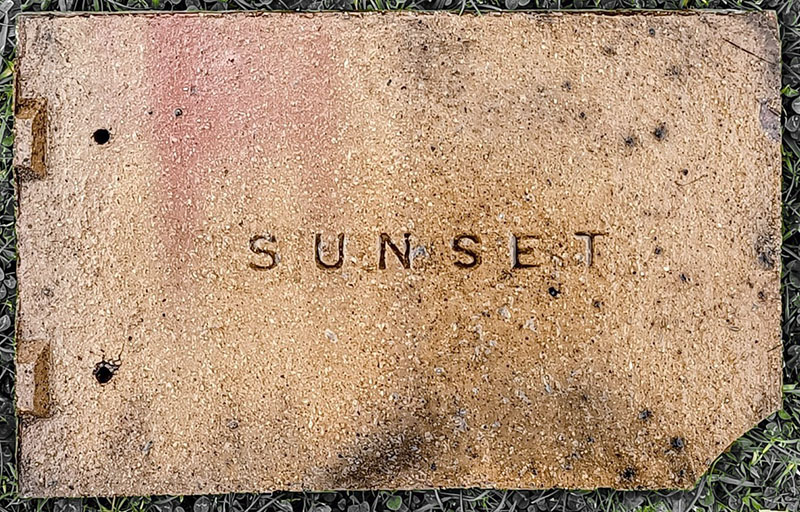
Photo by Chris Tilney.
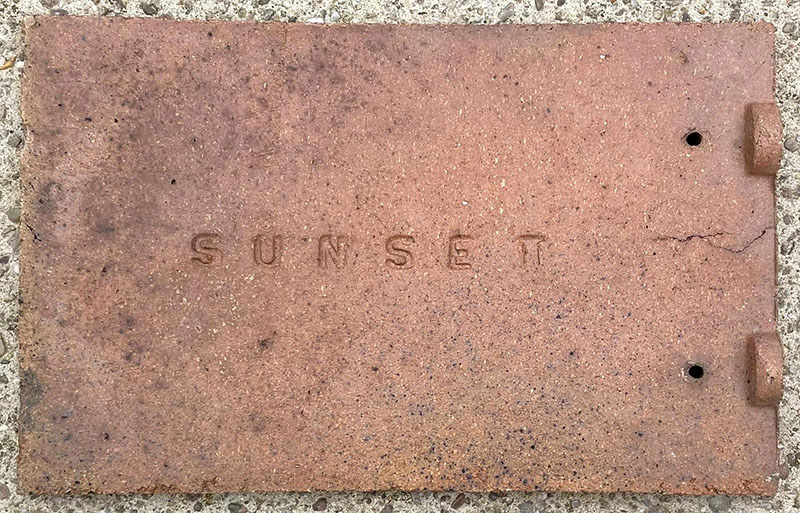
Photo by Phil Burgoyne.
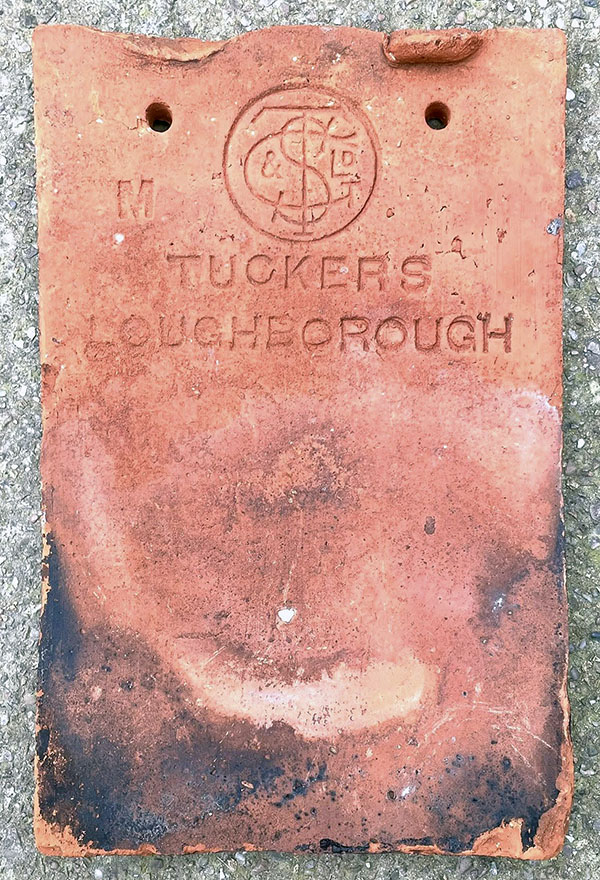
George Tucker & Son, Park Road, Loughborough, Leics. Photo by Phil Burgoyne.
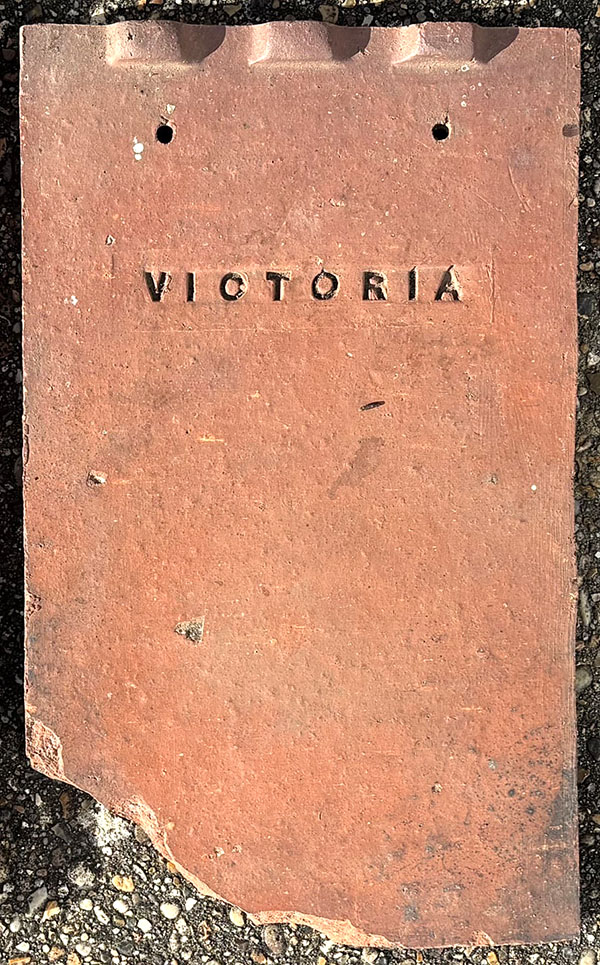
This tile came from a late 19th century house that was located about half a mile from the Victoria Pottery site, in Leigh, south-east Essex. An advert in the local paper in 1888 states that Messrs. Brayne & Mansfield were the new proprietors of the works and lists roofing tiles as one of the products on sale. Photo by Neil Smith.
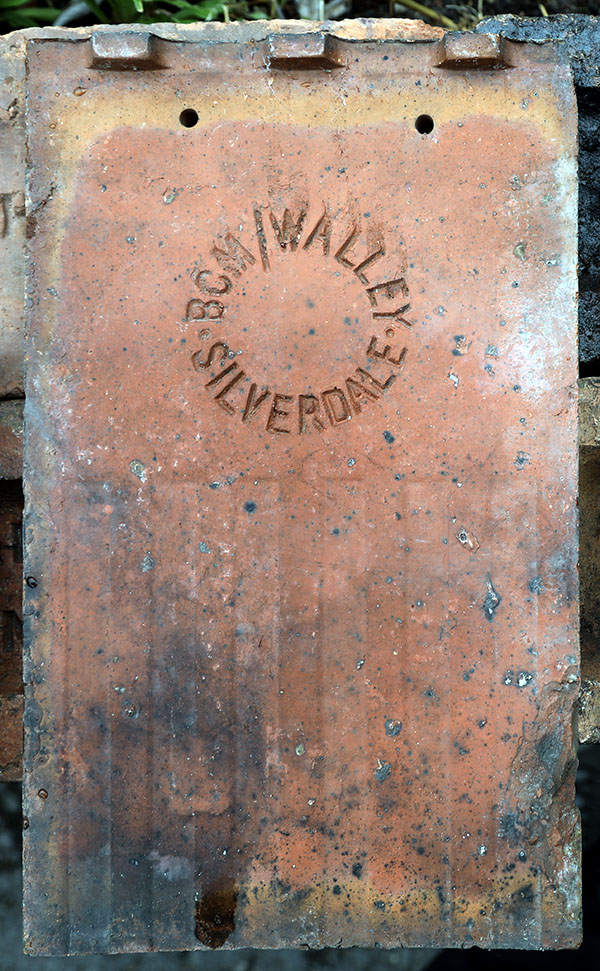
In 1924 T. E. Walley Ltd. purchased the brick and tile works of John Nash Peake in Cemetery Road, Silverdale which were run as Rosemary Hill Tileries. G.H. Downing & Co. Ltd. bought the business in 1975 but this only lasted until 1981 when the works was sold to Steetley and then closed, with production transferred to Knutton. Photo by David Kitching.
Wheatly & Co. are listed in Kellys 1896 to 1940 editions at Springfield Tileries, Newcastle, Staffs. This works had been established by the Wheatly family in 1819. Kellys 1872 to 1884 editions records Wheatly & Cooper at the Springfield works. Wheatly & Co. continued to operate the Springfield works after the last trade directory entry until it was taken over by Daniel Platt in 1978. Wheatly & Co. are also listed as operating a second works at Cobridge, Burslem in Kellys 1892 edition. Photo by Phil Burgoyne.