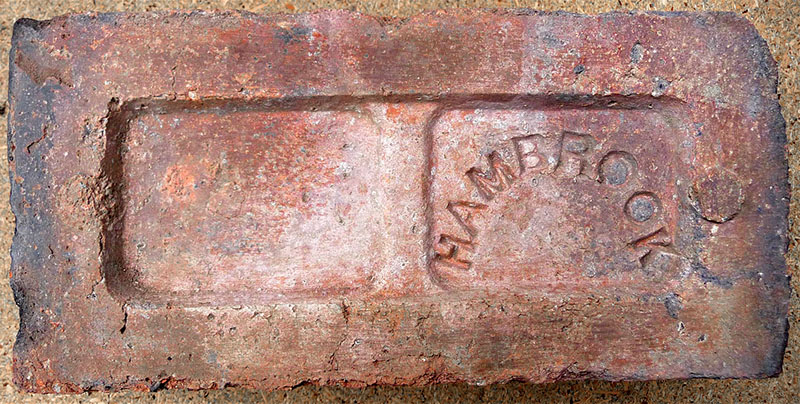
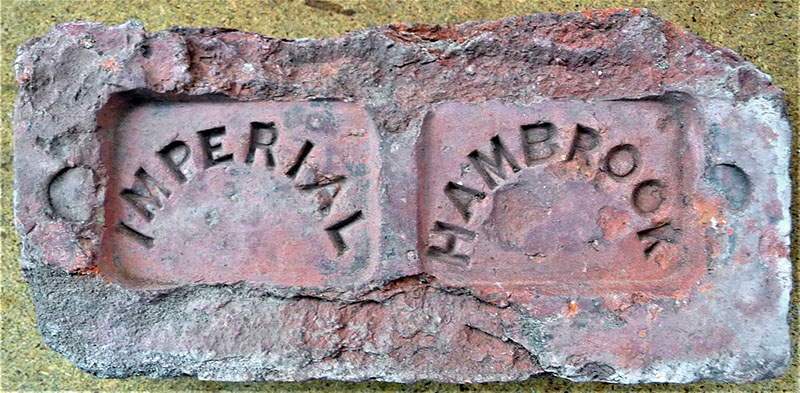
Hambrook Brickworks, Winterbourne, Gloucestershire. This works had a short working life 1928-37. Photos & info by Eric Taylor.
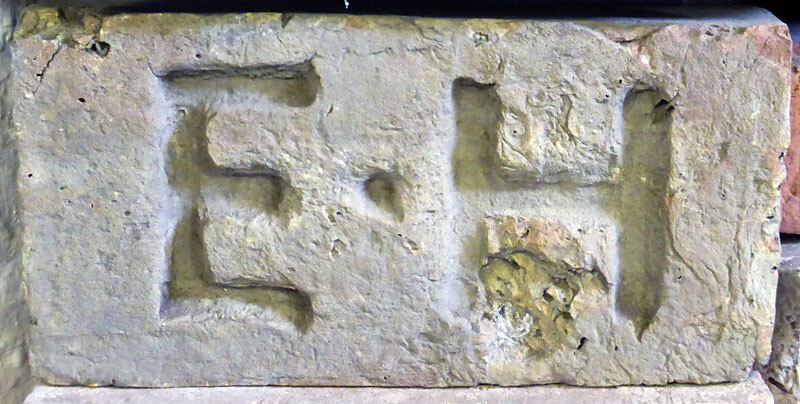
Photos by David Kitching.
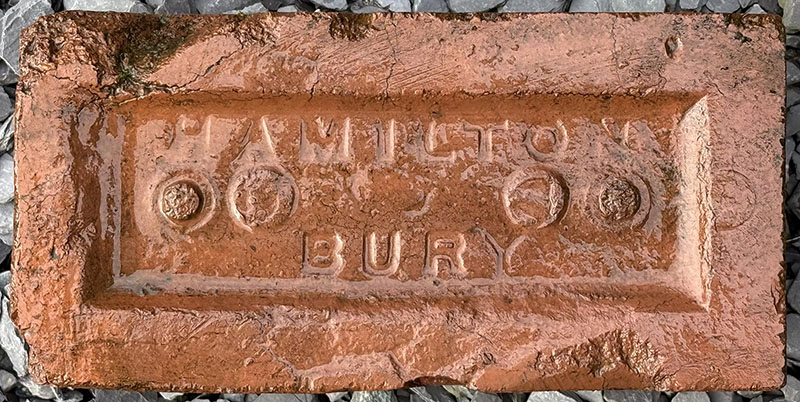
Photo by Jason Stott.
Photos by Frank Lawson.
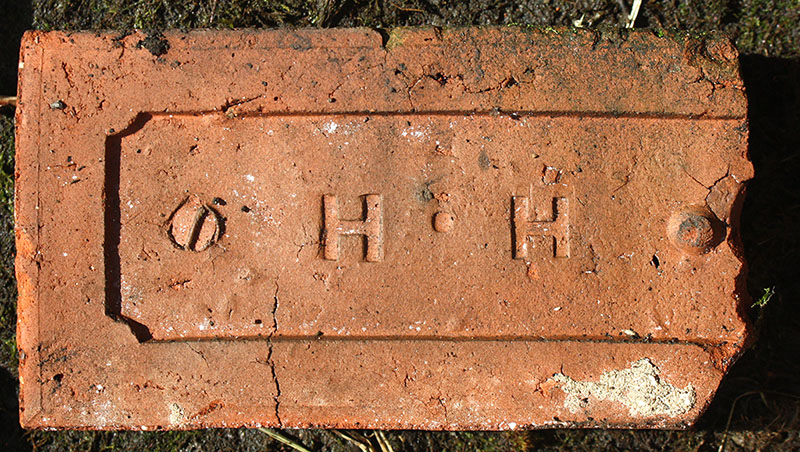
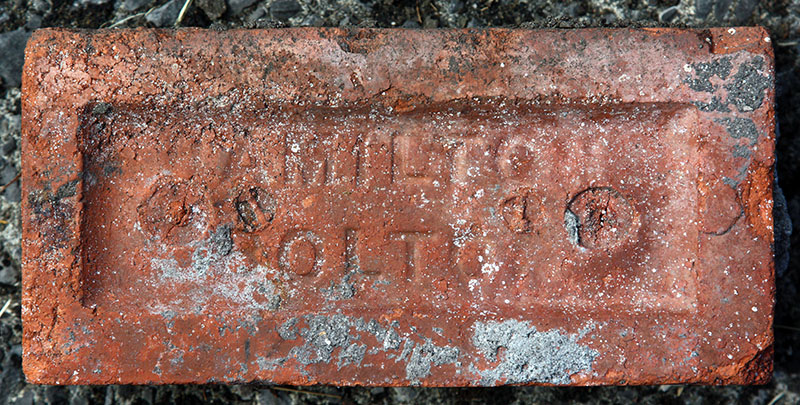
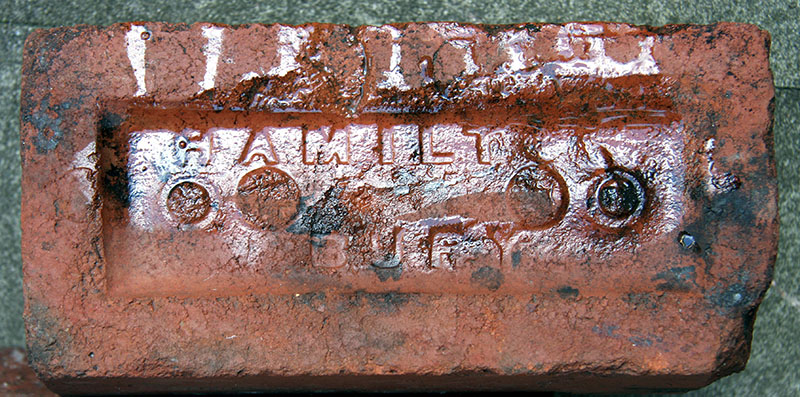
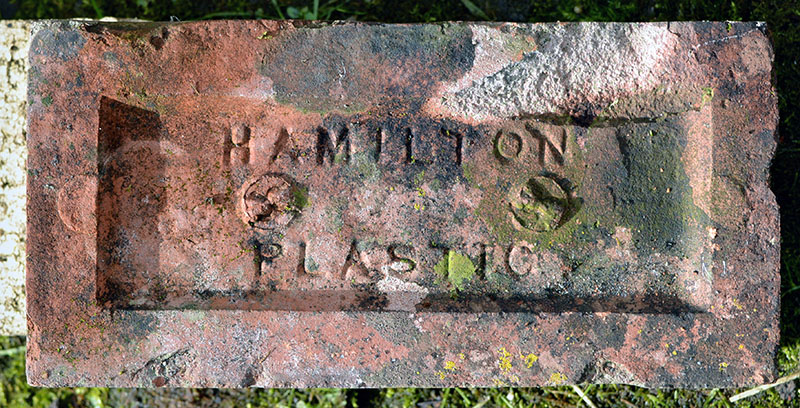
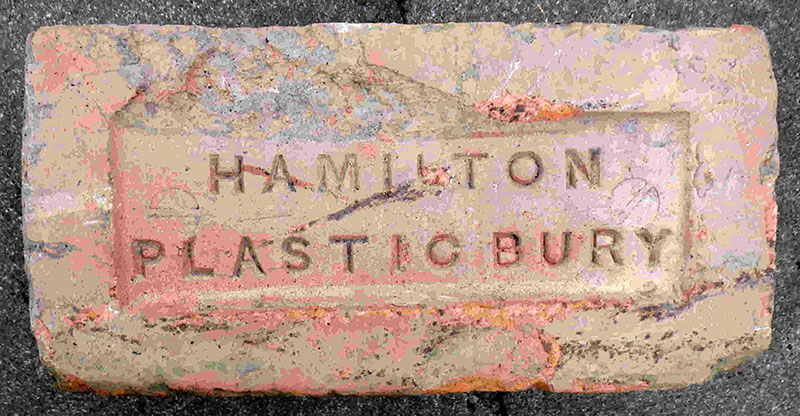
Hanson Hamilton, Hamilton Street, Bury. Barrett's Bury Directory 1880 lists Hanson Hamilton as a Brickmaker & Contractor. Info by Frank Lawson, photo by David Kitching.
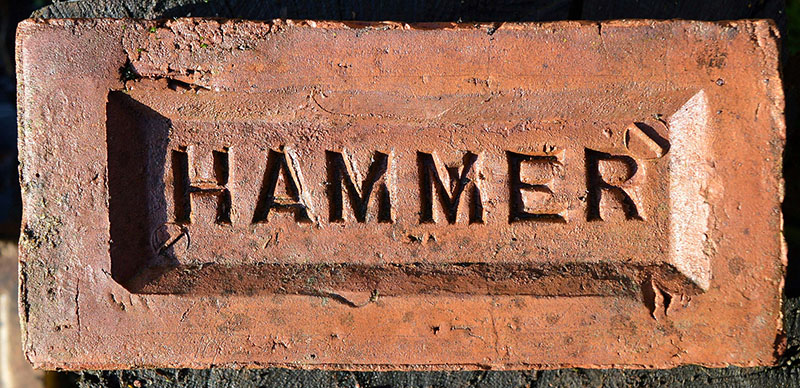
John Grover, Hammer Brickworks, Wey Hill, Haslemere, Surrey - Kelly's Surrey Directory 1918. John Grover was a London builder who had retired to the Hindhead area around 1895 at the age of 60yrs . He opened a clay pit at Clay Hill (now Wey Hill) to provide the necessary bricks for the many new houses springing up in Hindhead and Beacon Hill. Photo and info by Frank Lawson.
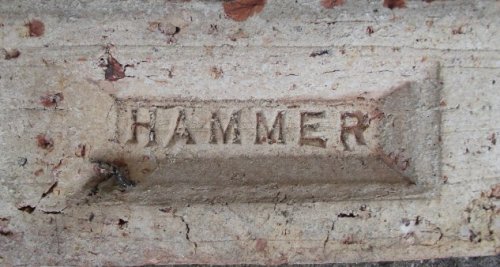
Photo by John Morley. Also see the entry for Grover.
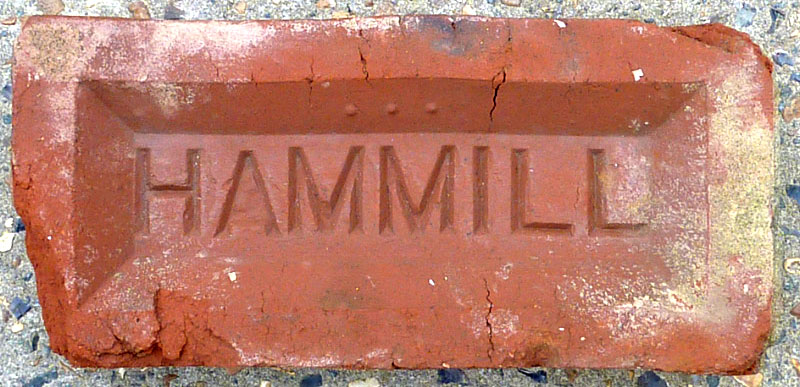
Hammill brickworks is on thesite of the former Woodnesborough Colliery, Sandwich, Kent. Works at the site started in 1910 but the colliery operation never progressed beyond the sinking of two test shafts and the construction of surface buildings including an engine house, workshops and a chimney. In 1923, after the First World War, the mine was sold to Pearson & Dorman Long, owners of Betteshanger Colliery. In due course the site was sold on to the Hammill Brick Co. who built a brickworks on the site using some of the old colliery buildings and working clay extracted from a nearby clay seam within the Thanet Beds geology The brickworks opened in June 1927 and continued in operation until 2006. When the brickworks opened a two foot gauge line was built parallel to the standard gauge line and ran between the brickworks and a clay pit c. 500m to the north-east of the brickworks (another clay pit is indicated c. 800m to the north-west). Despite attempts to keep the site working the brickworks finally shut in 2008. Info by Frank Lawson.
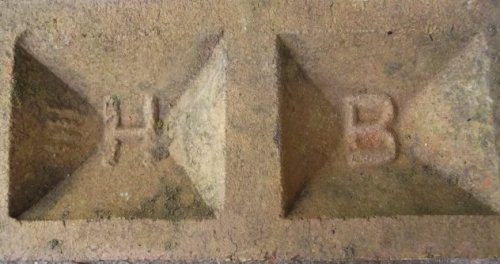
Photo by John Morley. Jon Driver writes: They stopped
making this type of pressed brick sometime before they closed,
changing to simulated handmades.
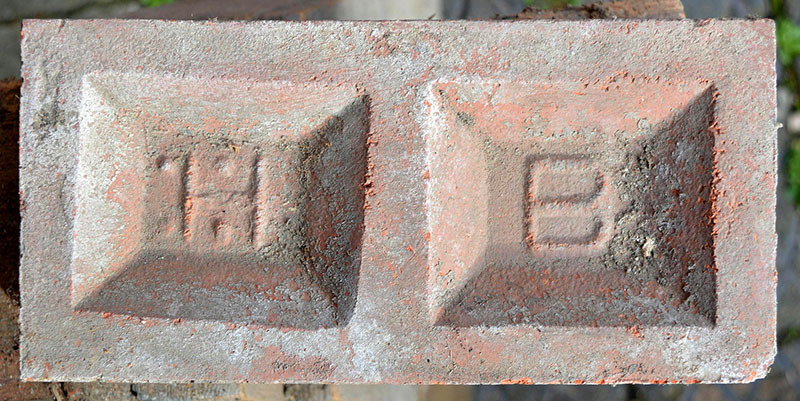
Photo by Frank Lawson courtesy of the Bill Richardson
Collection at Southwick Hall.
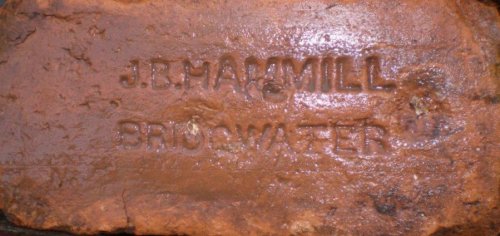
Photo by Richard Paterson.
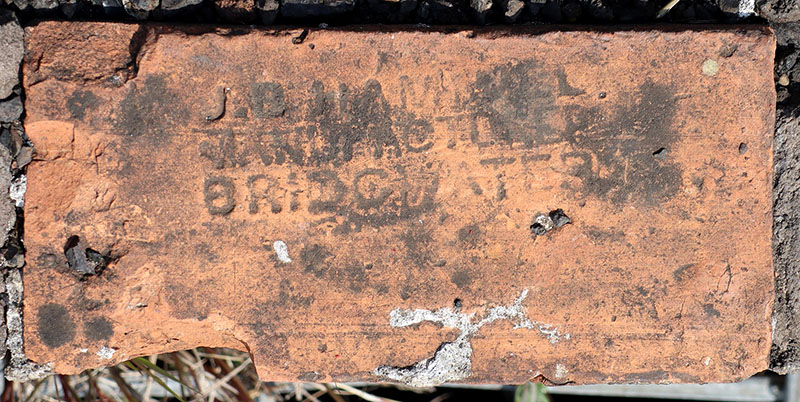
Photo by Phil Jenkins.
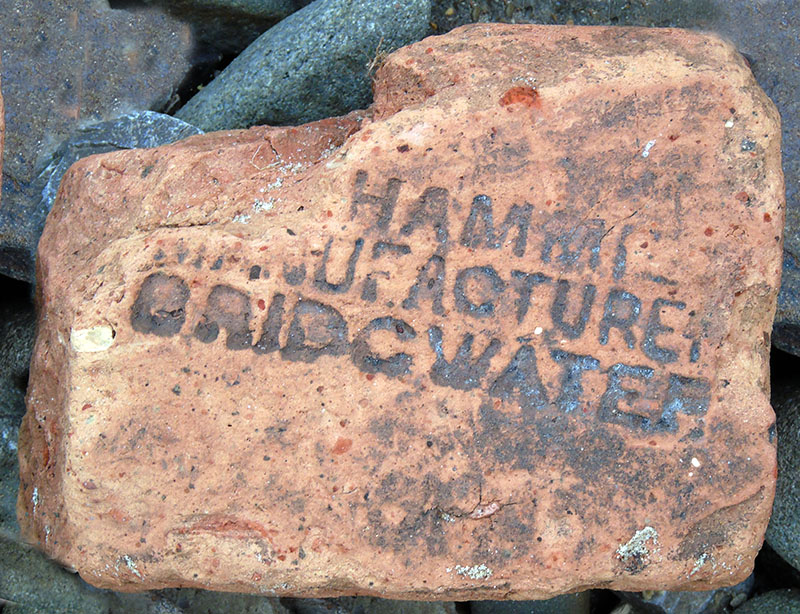
Photo by Gareth Thomas.
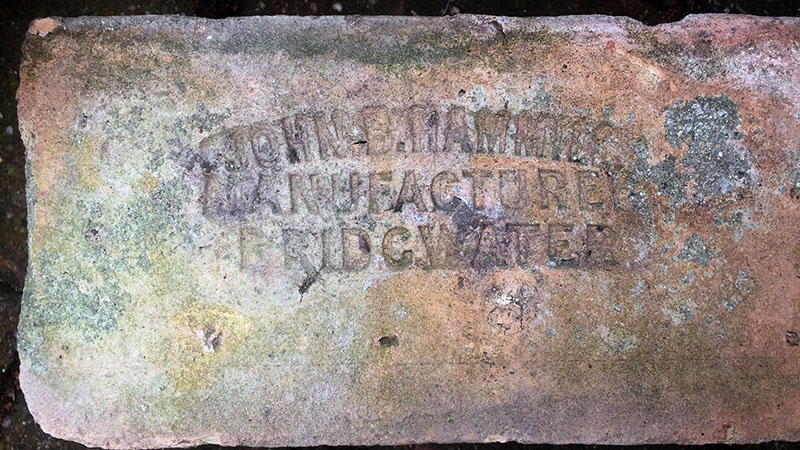
Photo by Scochki Kolasinac.
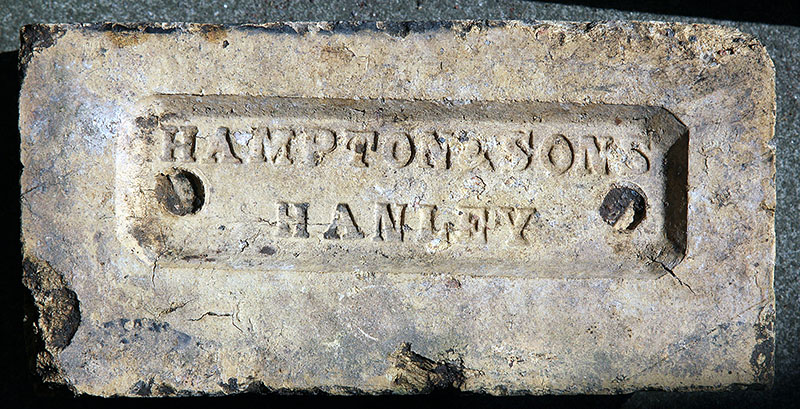
Enoch Hampton was making bricks at Eastwood Vale in 1851 and E Hampton & Sons are listed in 1896 as operating Eastwood and Mousecroft Fire-brick and Marl Works, Hanley. The company was still operating in 1924 but had disappeared by 1940. Photo and information by David Kitching.
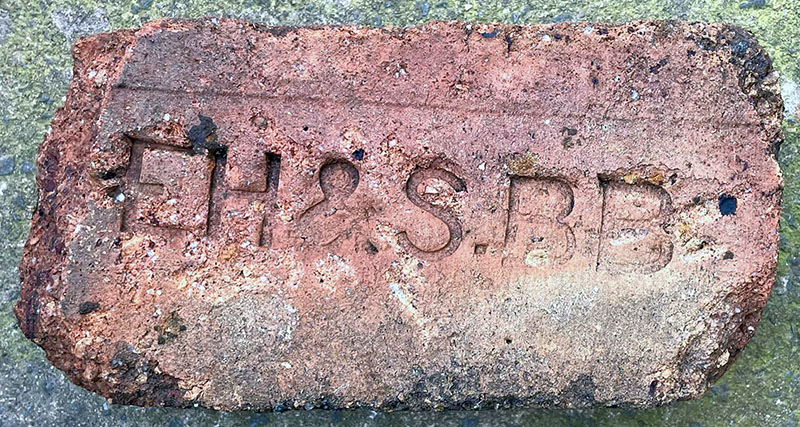
The BB stands for 'Bastard Brick', an old term for common brick. Photo by Phil Burgoyne.
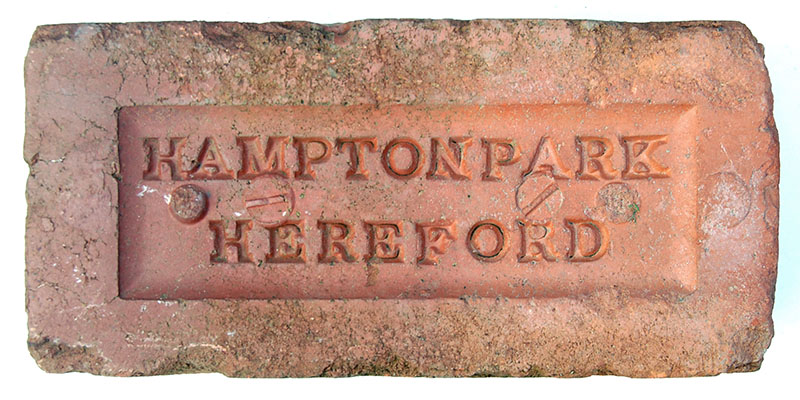
A brickworks site of the Hereford Brick and Tile Company. Richard Paterson writes: The Hampton Park Brick & Tile Works is described in 'Herefordshire Bricks & Brickmakers' by Edwin Davey & Rebecca Roseff (Logaston Press, 2007). It was 'a large brick and tile works 2km from Hereford city centre. There were adjacent clay pits, up to 5 drying sheds and 4 kilns which were extant in 1886'. The book contains an interesting description of the works and operations by a Mr Eckley, who worked there in 1936 and 1937, shortly before the works closed prior to the outbreak of war. From 1939 to D-Day the site was used by the US military and it is now a recreation ground and nature reserve. Photo by Phillip Rothery.
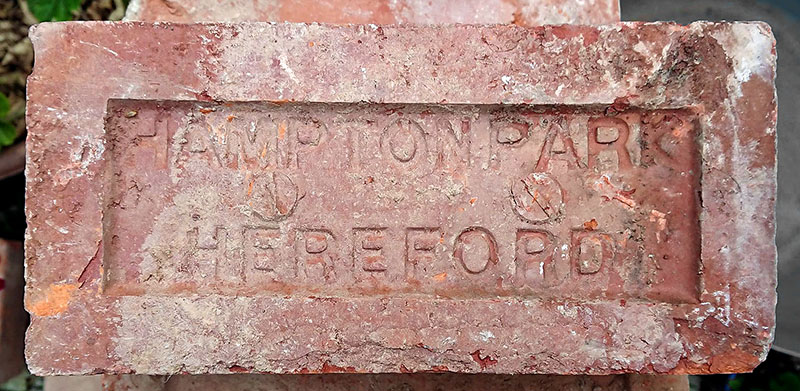
Photo by Dan Barrett.
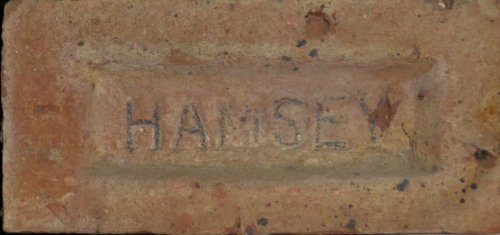
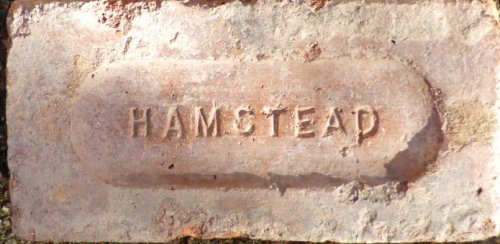
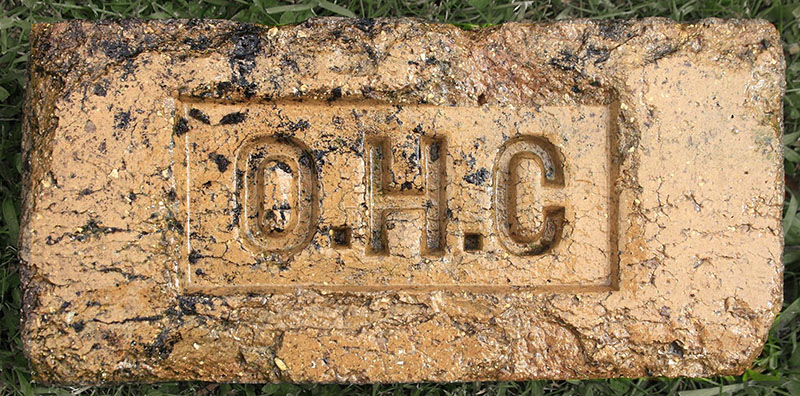
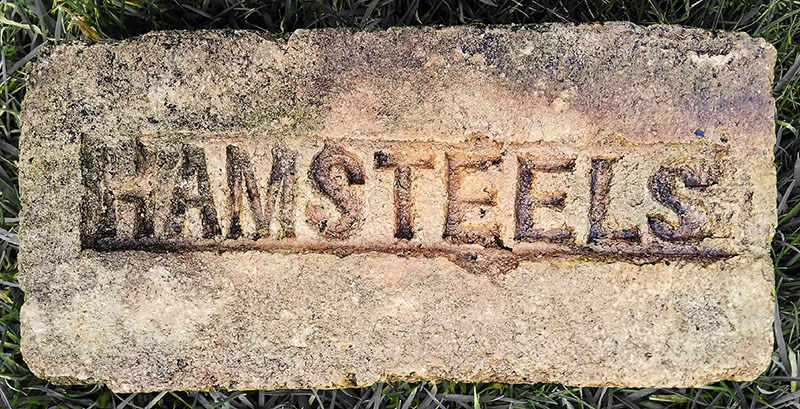
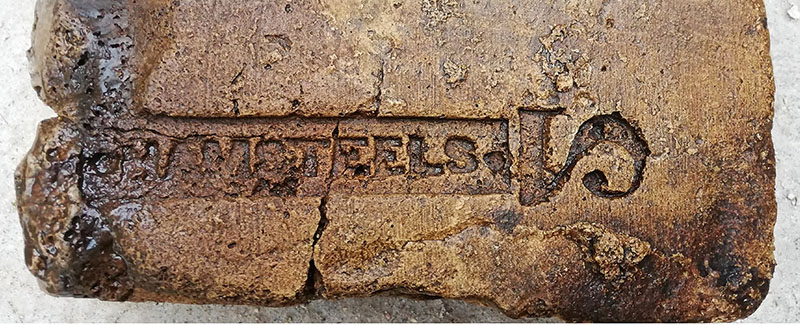
Hamsteels Colliery, Esh
Winning, about 5 miles west of Durham, was opened in 1867 by Johnson, Reay & Johnson and traded as the 'The owners of Hamsteels Collieries'. Photos by Chris Tilney.
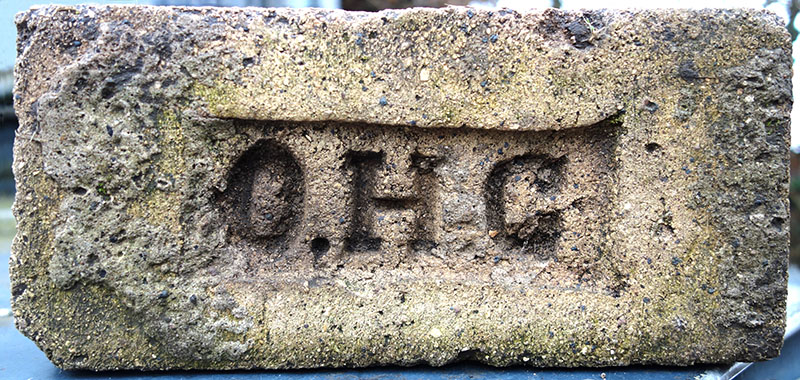
Photo by Ian Hunter.
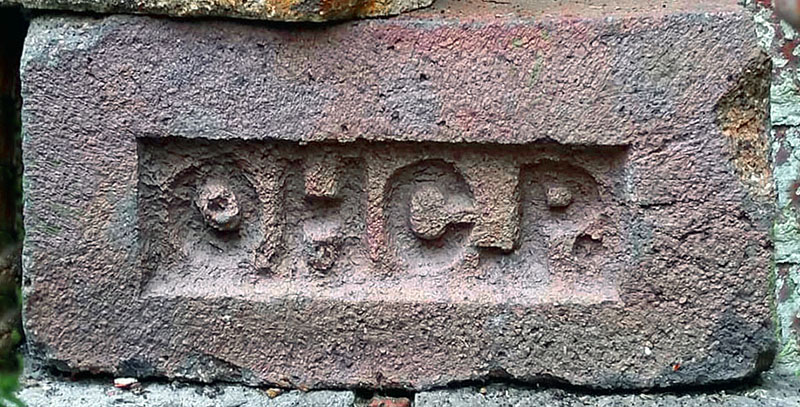
Found at Sunderland. I believe this to be a Hamsteels variation. Photo by Tony Gray.
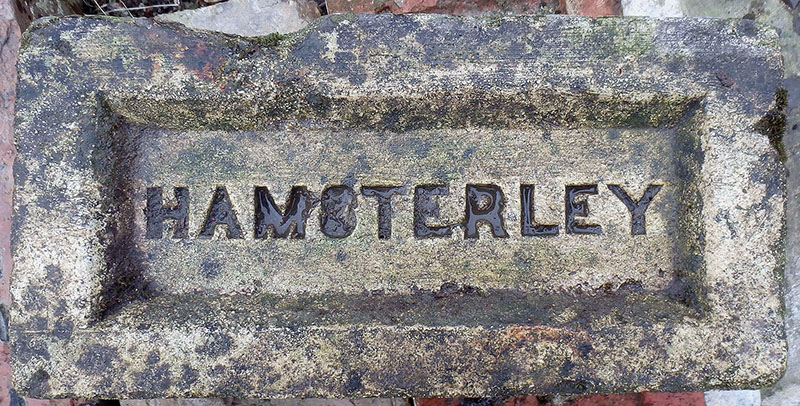
Hamsterley Brickworks, Hamsterley Colliery Village, Co. Durham.
Photo and info by courtesy of the Frank Lawson collection.
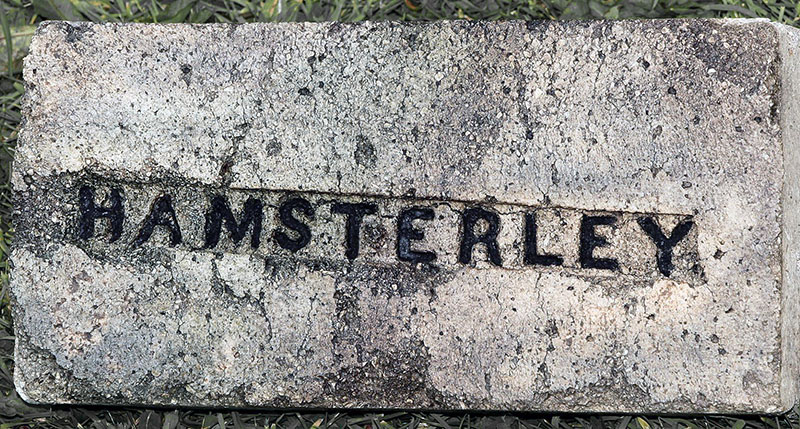
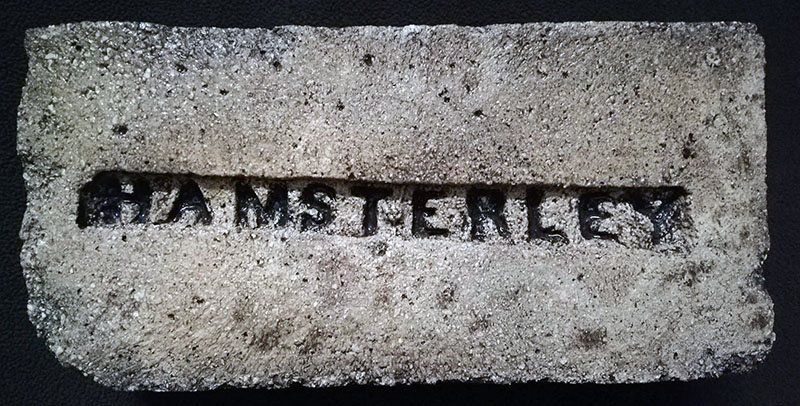
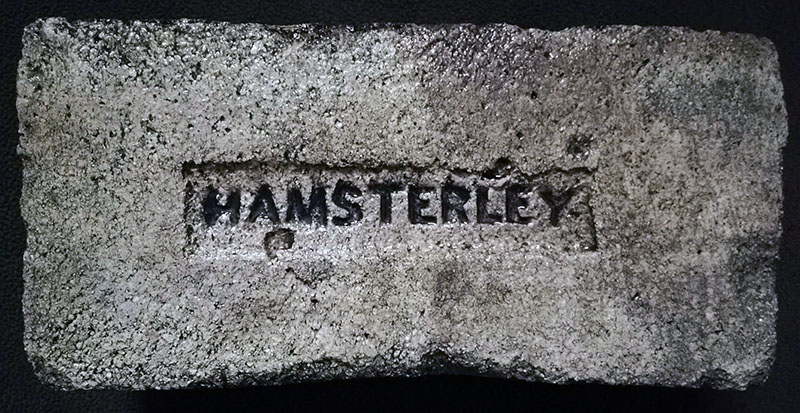
Photos by Chris Tilney.